History of Collection
When Dr. Timothy Gregory retired from The Ohio State University, he donated his personal research archive to Michigan State University. This valuable collection includes copies of his publications, lectures, field notes, and other materials gathered during more than 60 years of archaeological research and teaching. Today, this collection is known as the Gregory Archive.
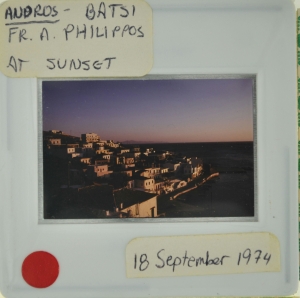
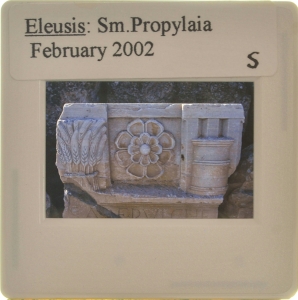
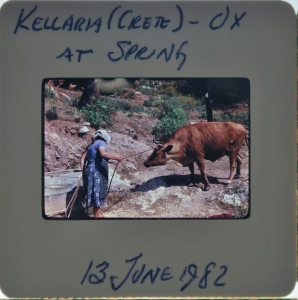
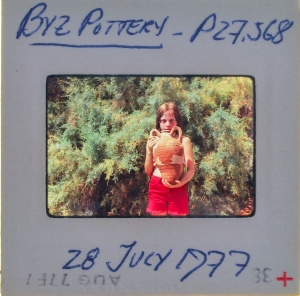
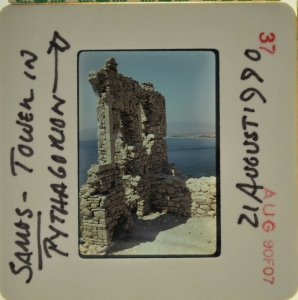
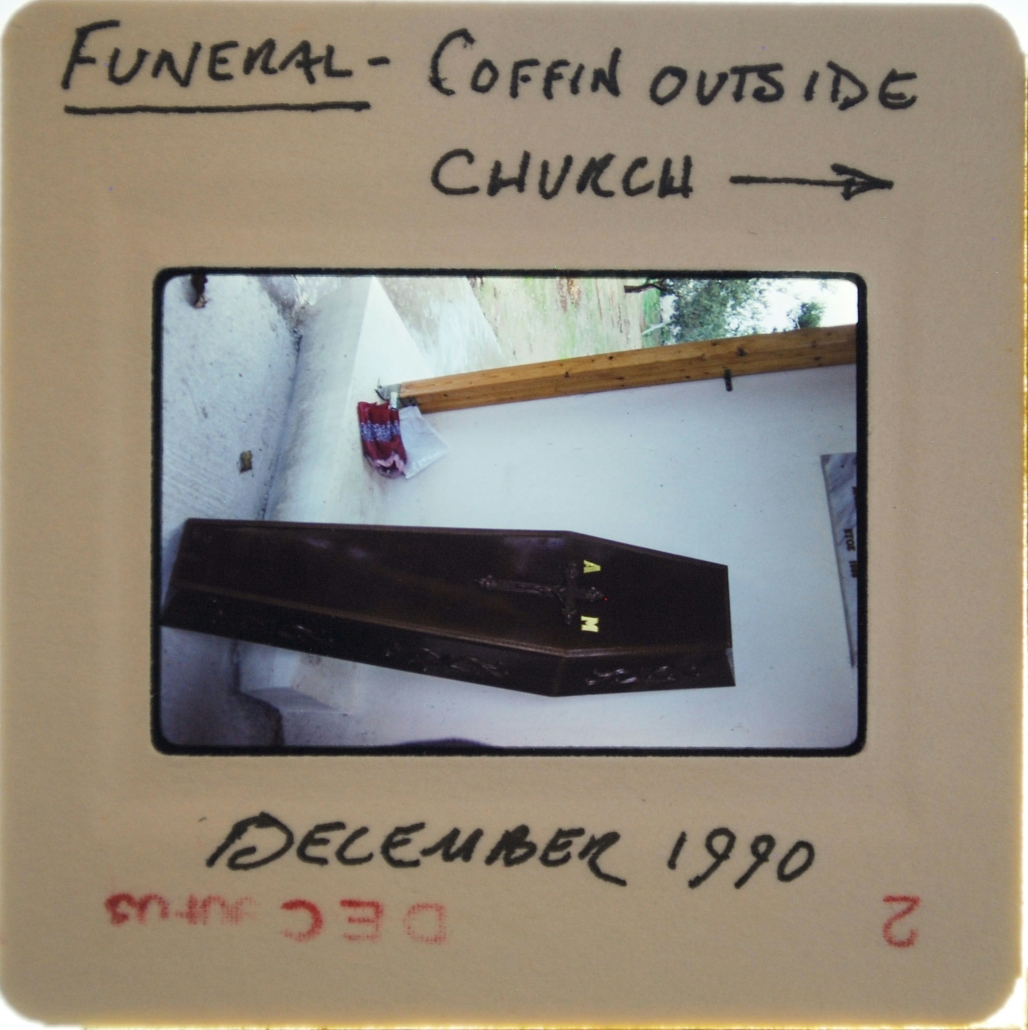
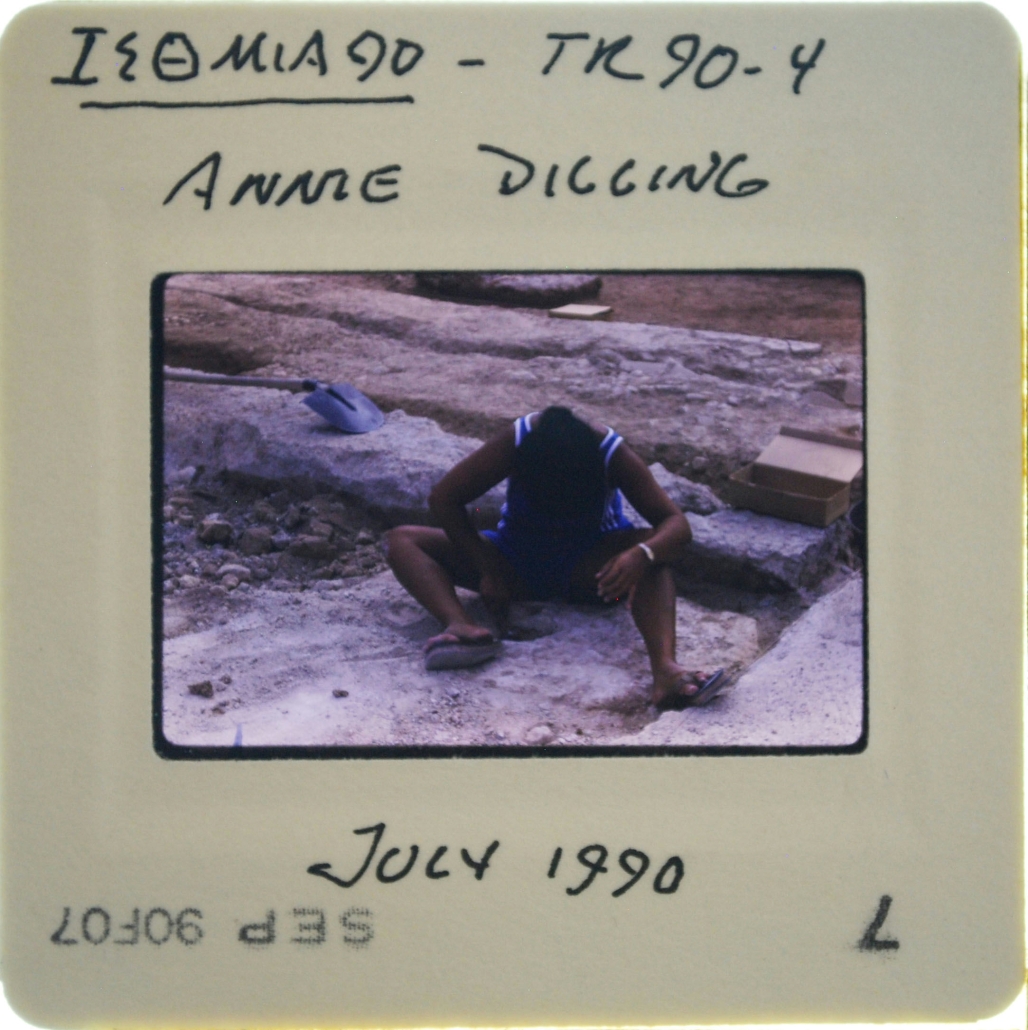
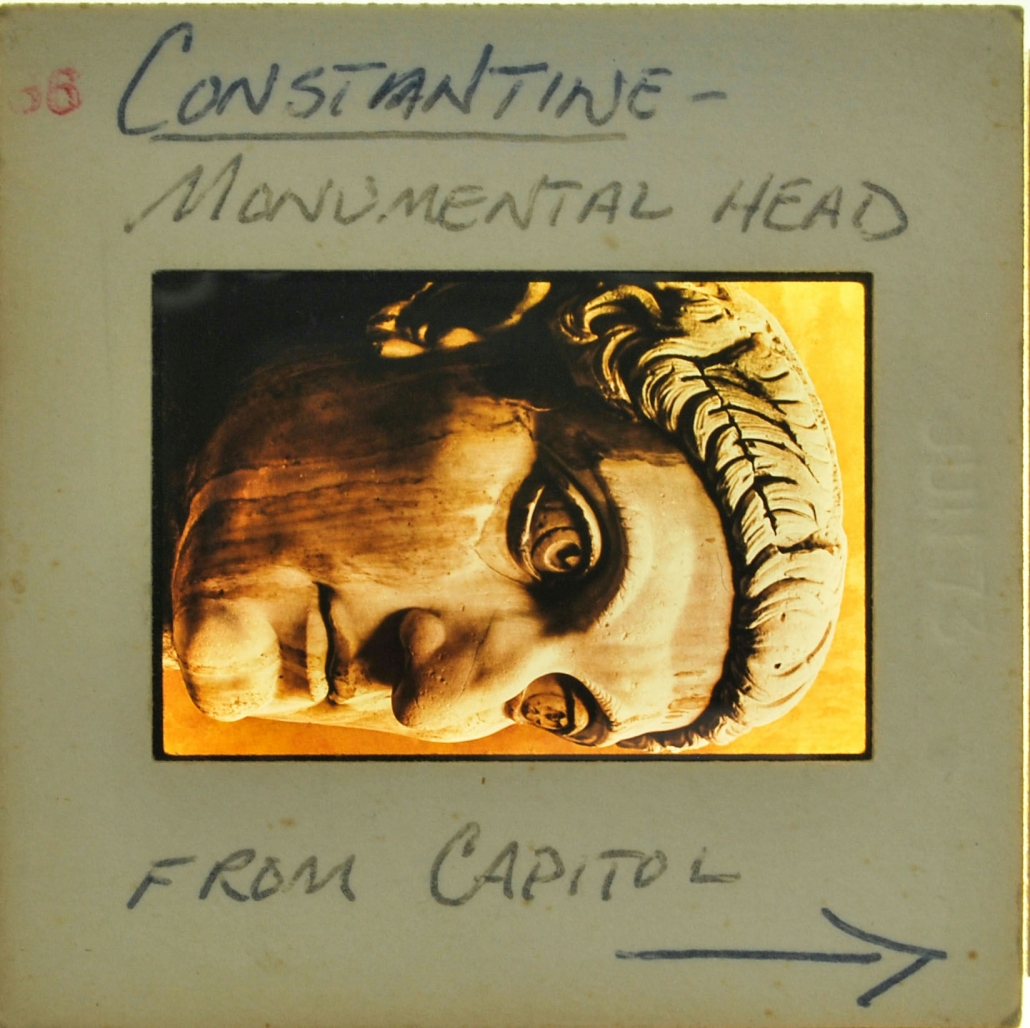
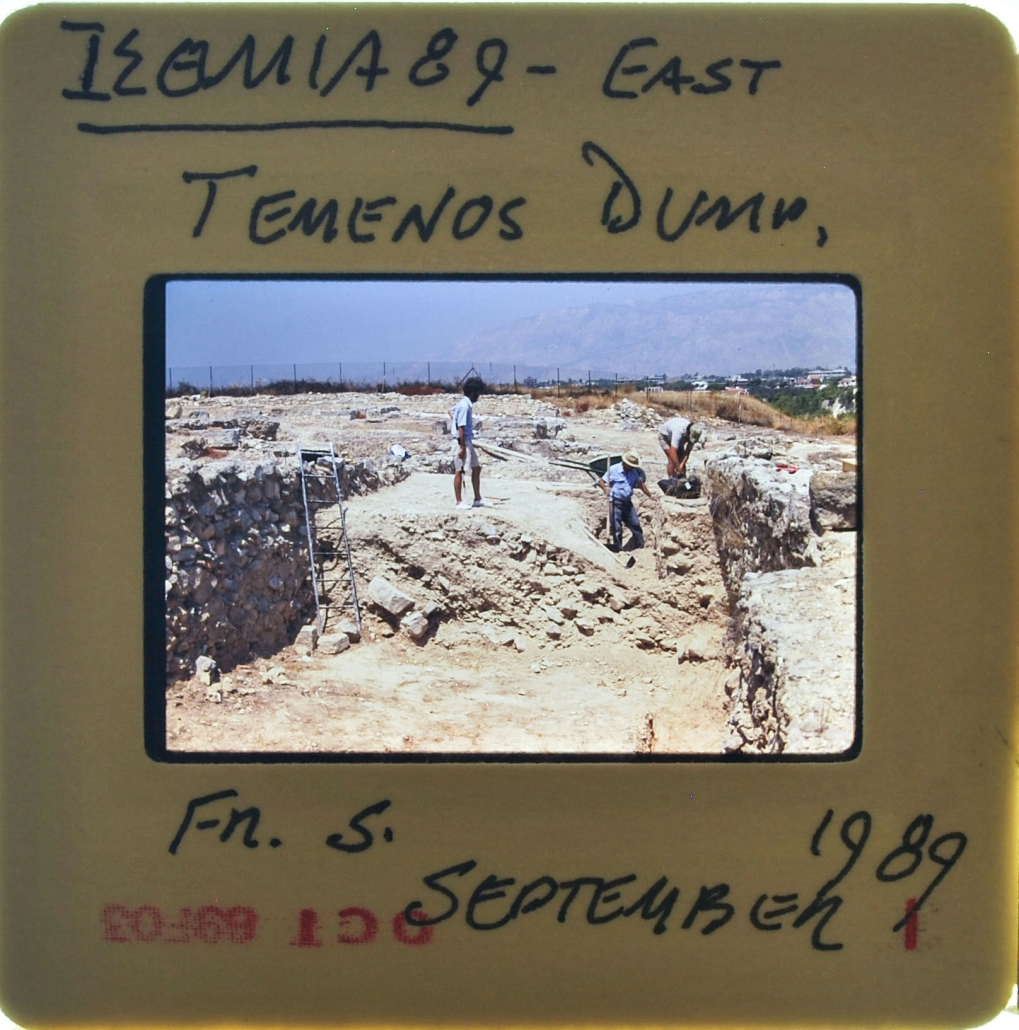
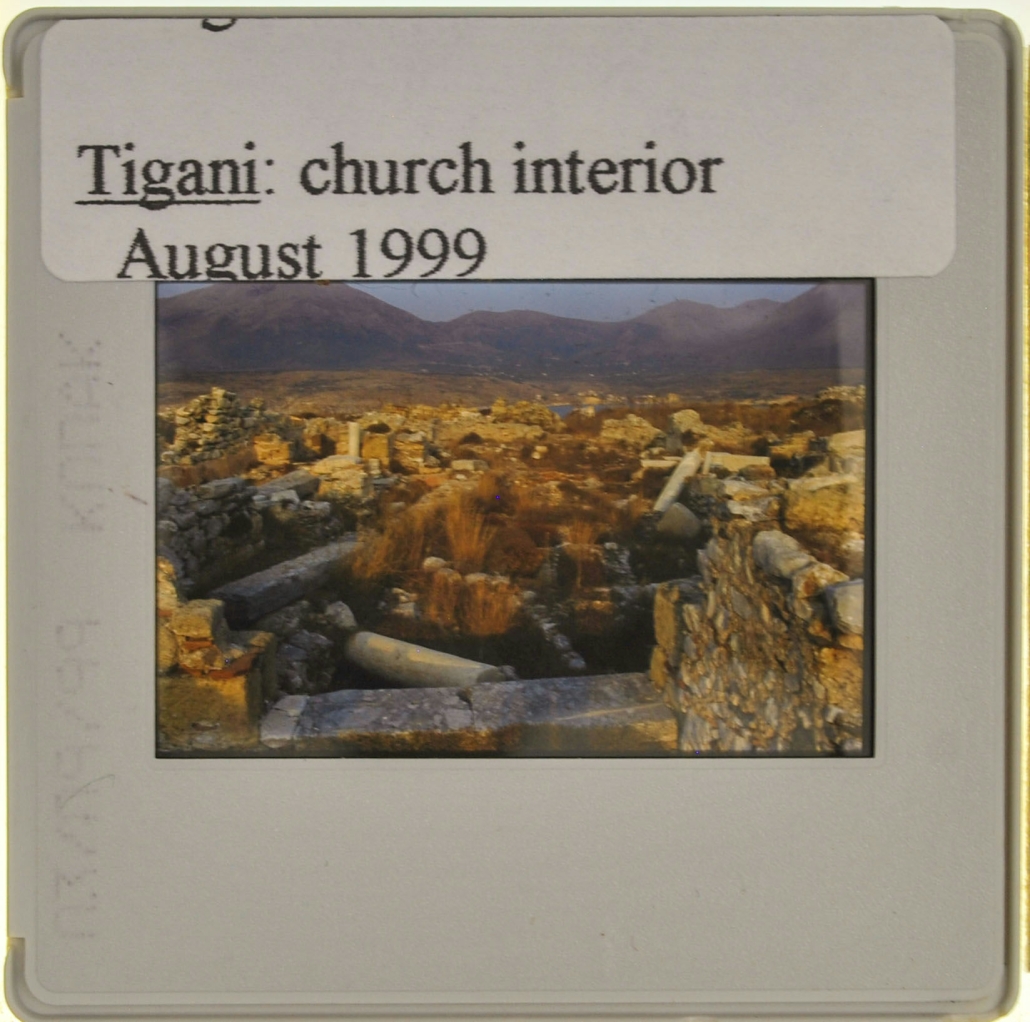
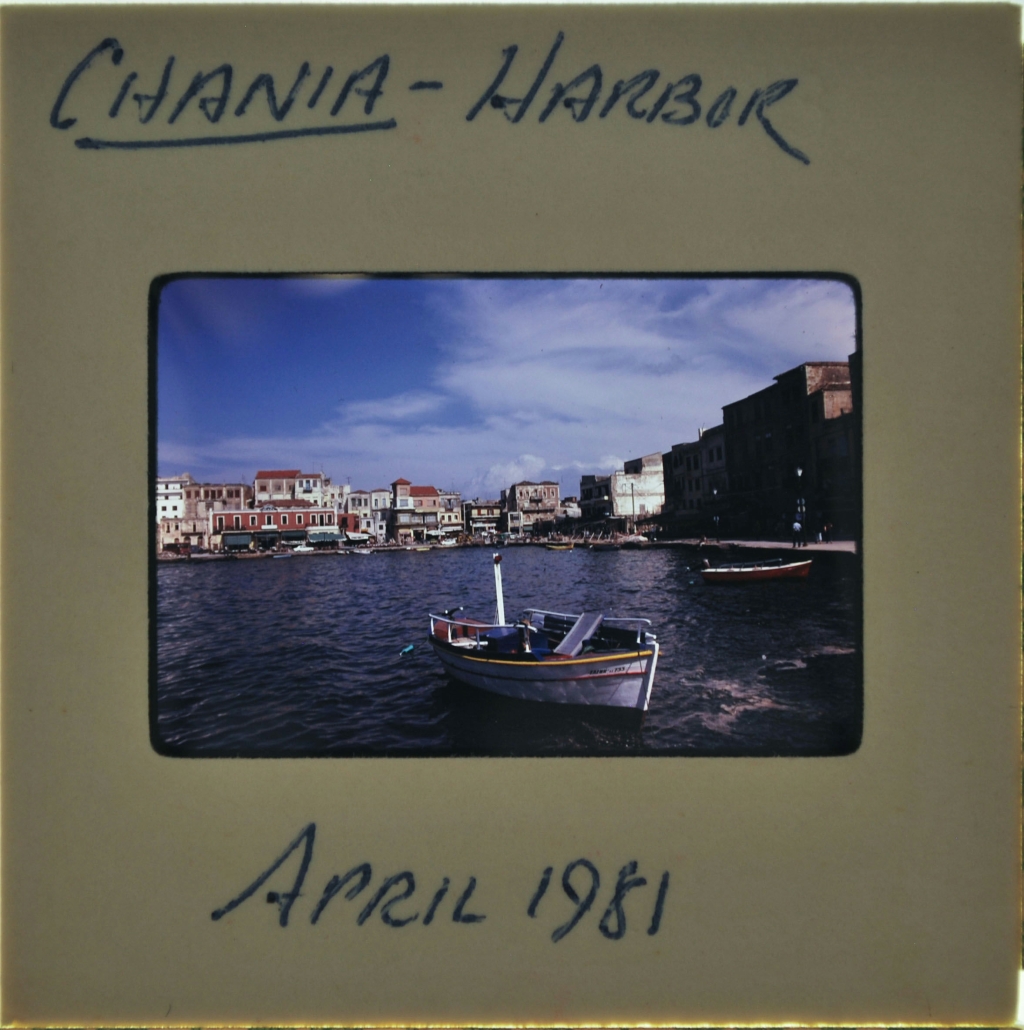
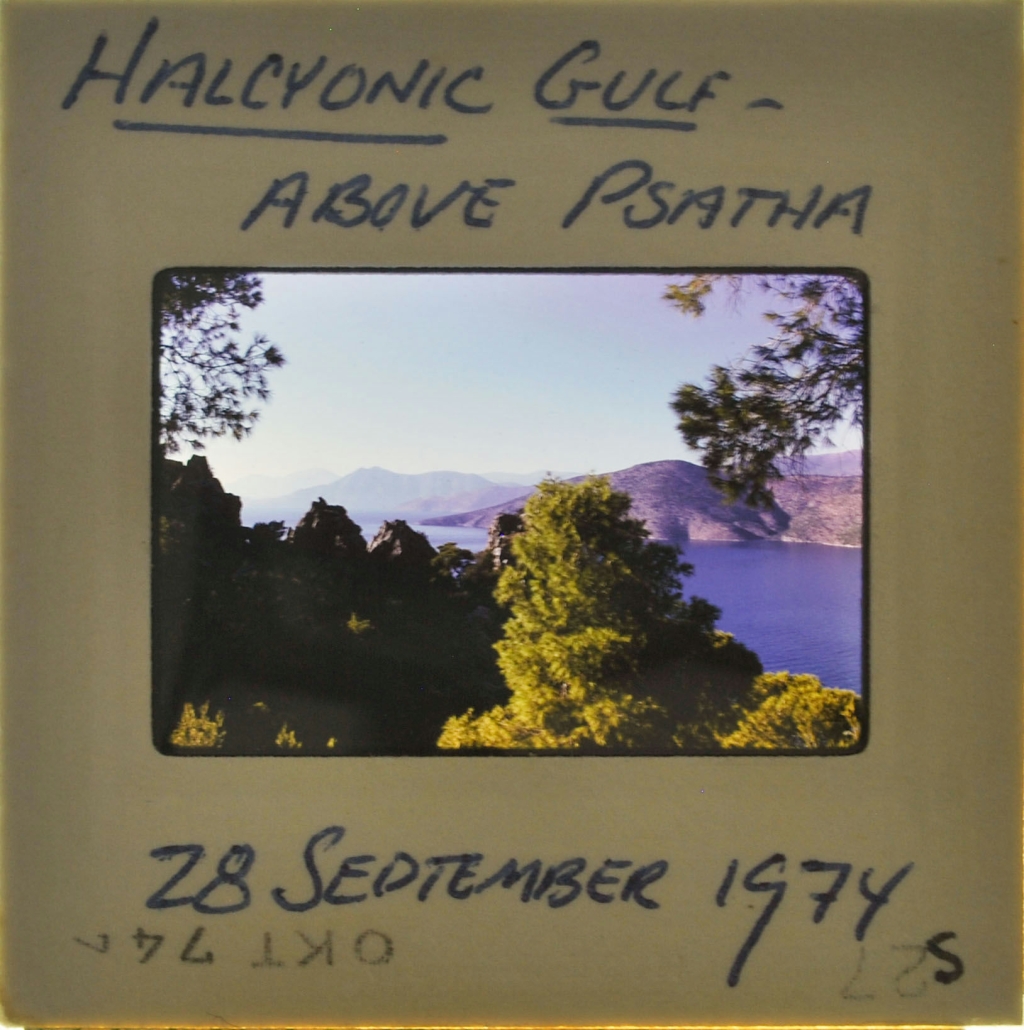
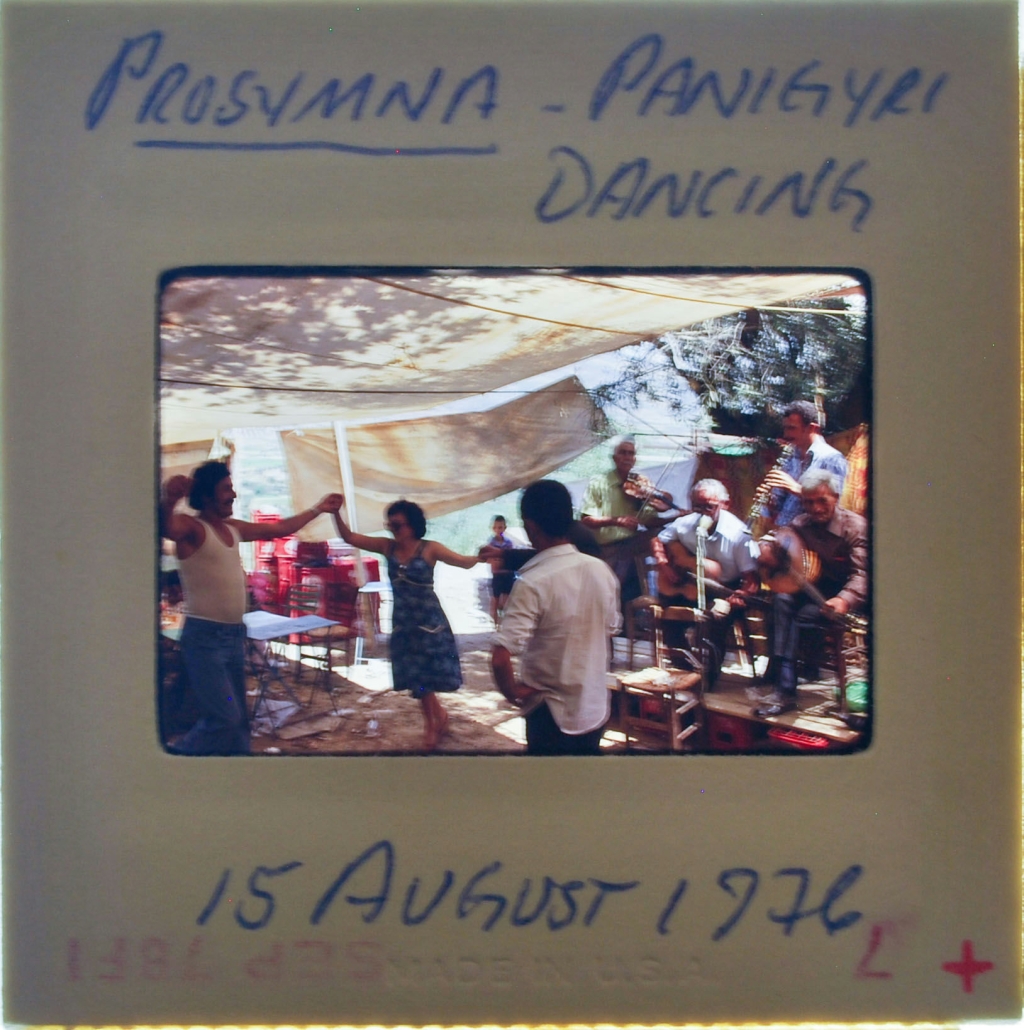
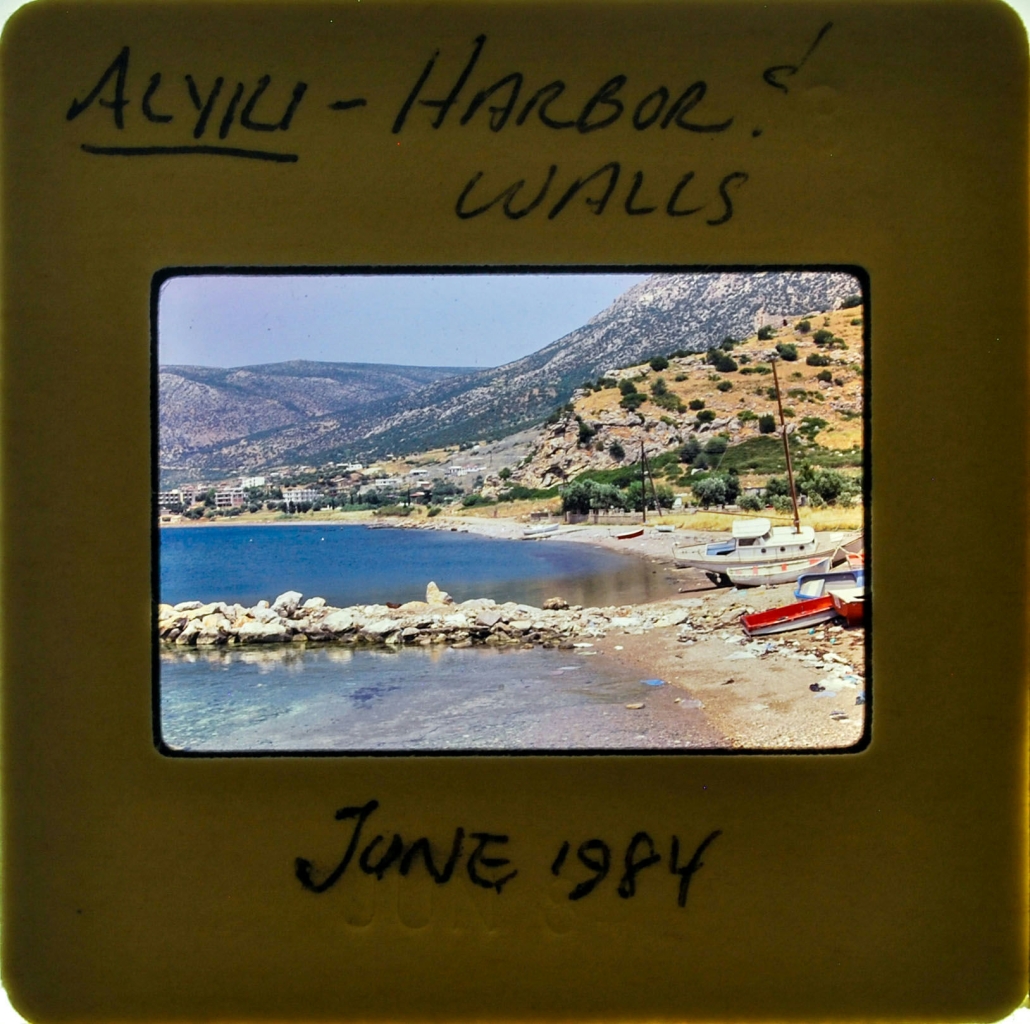
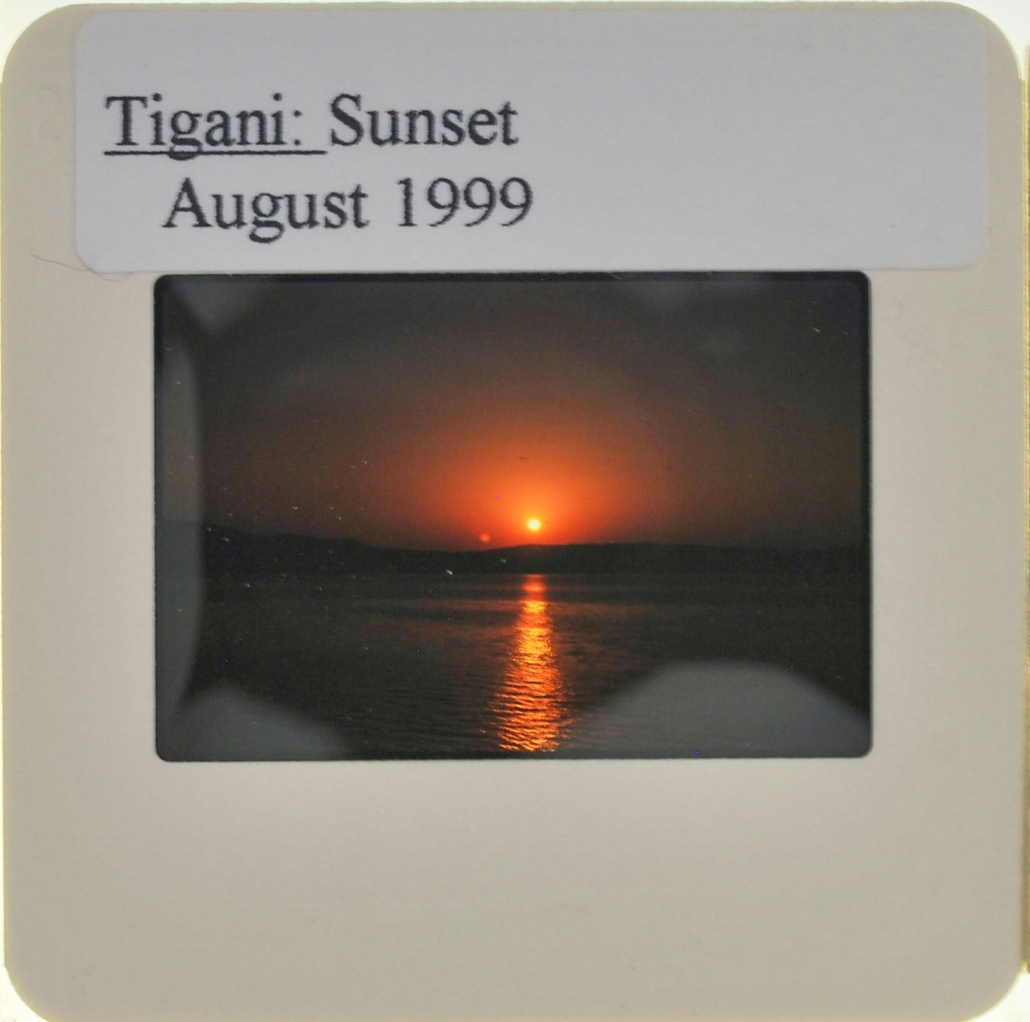
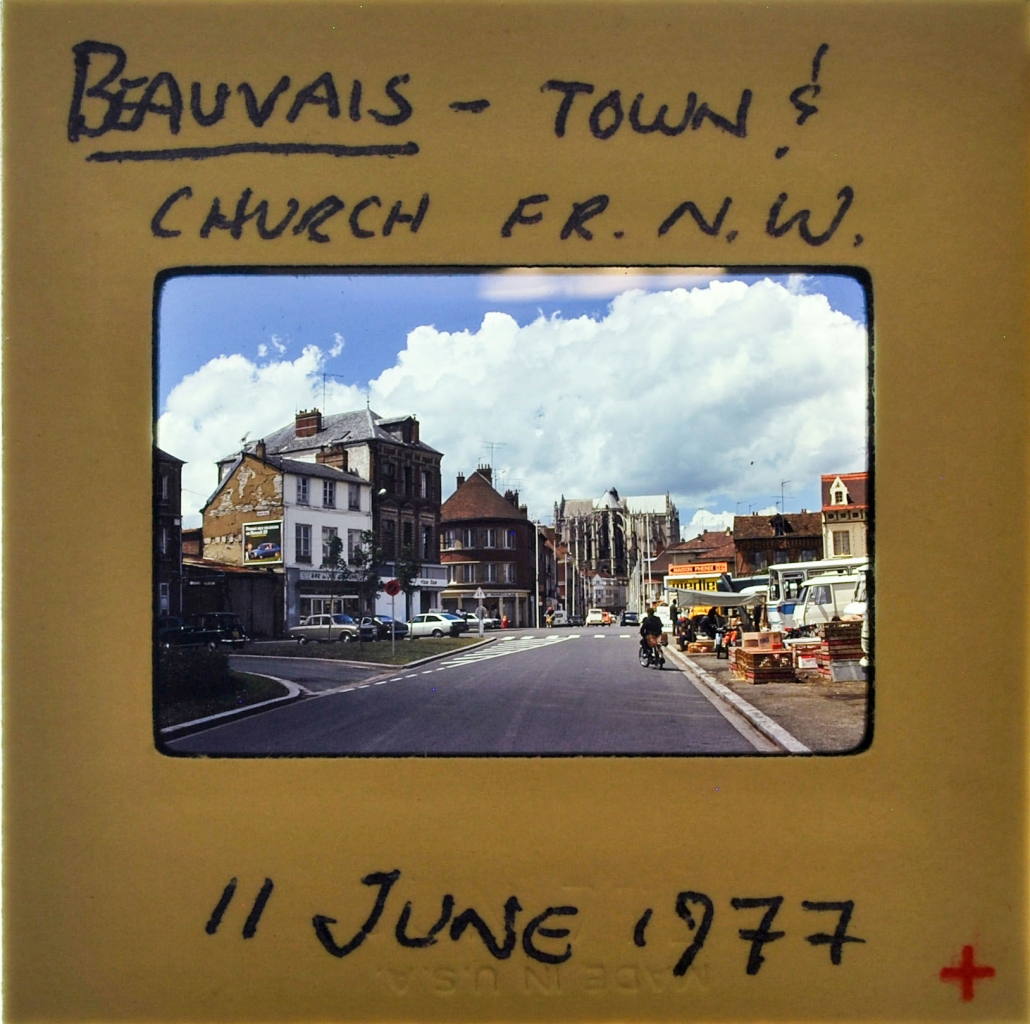
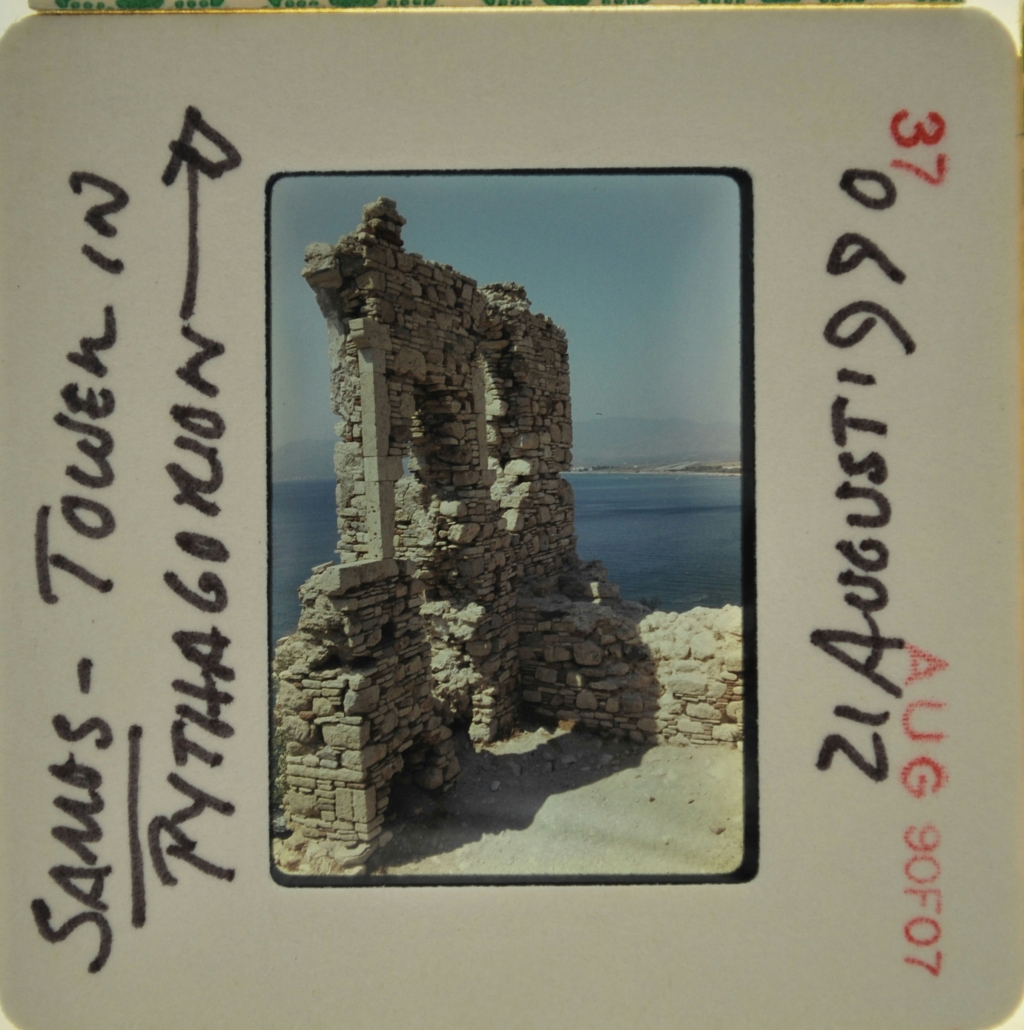
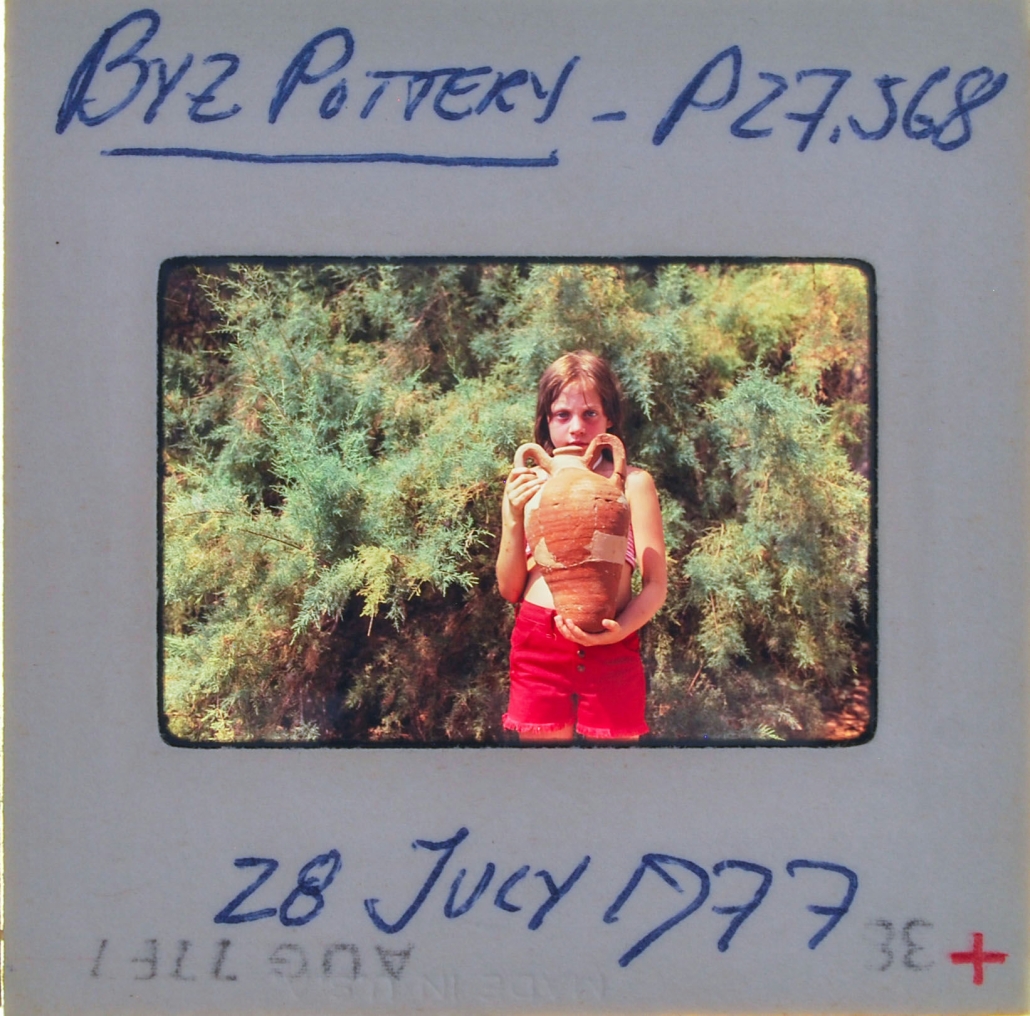
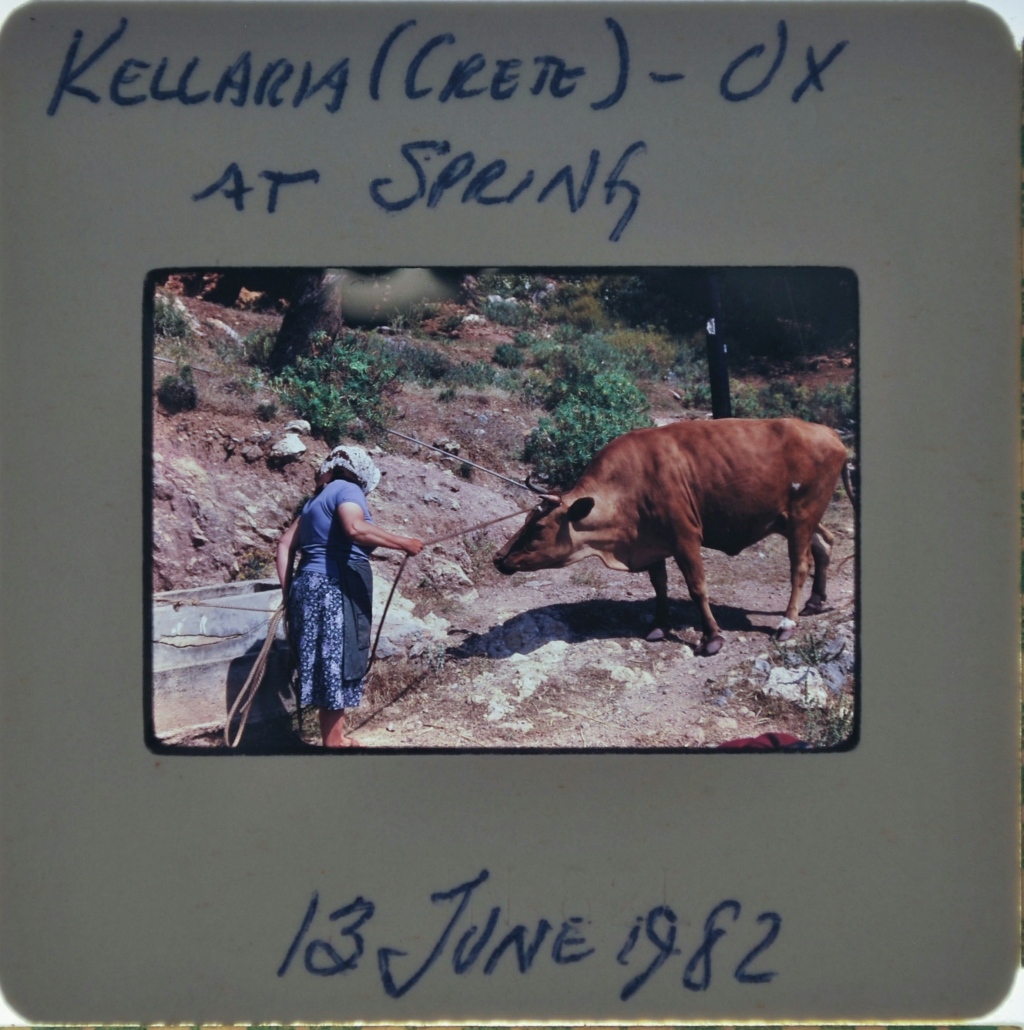
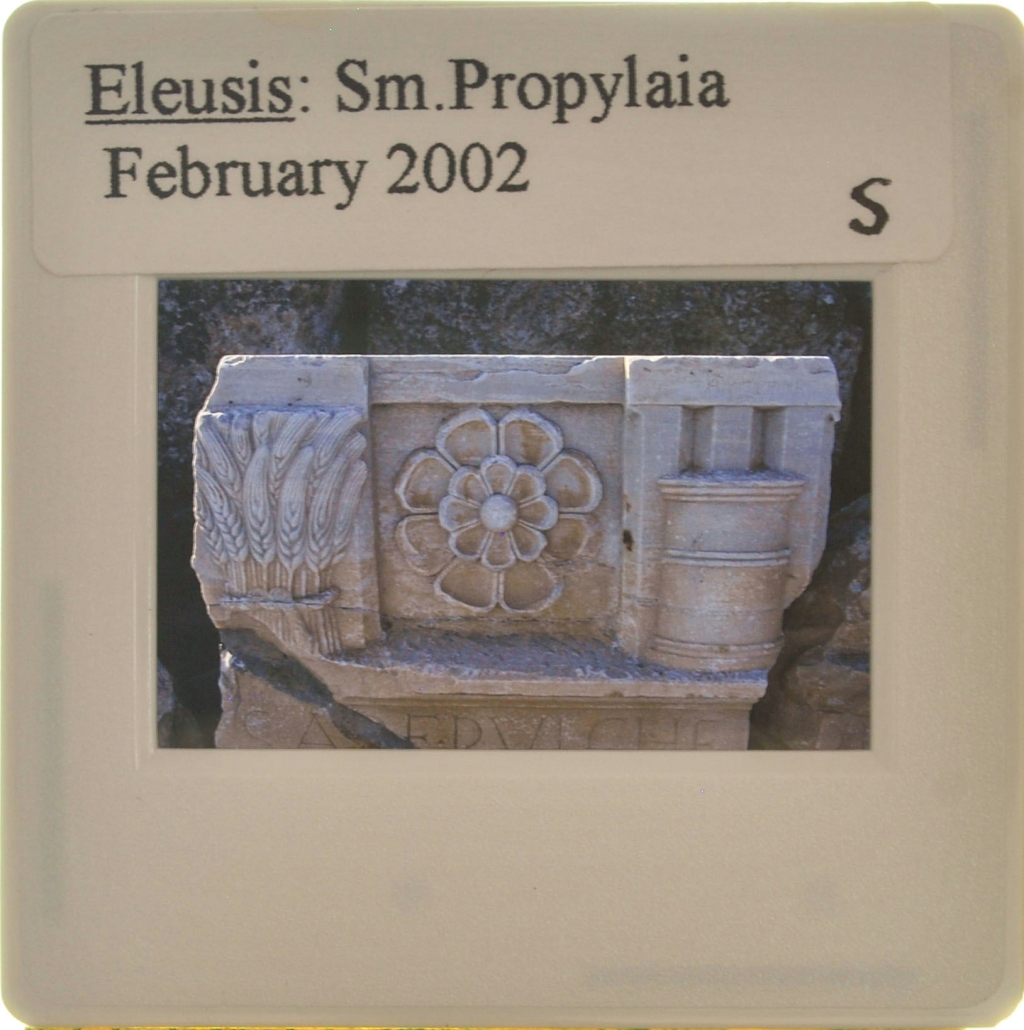
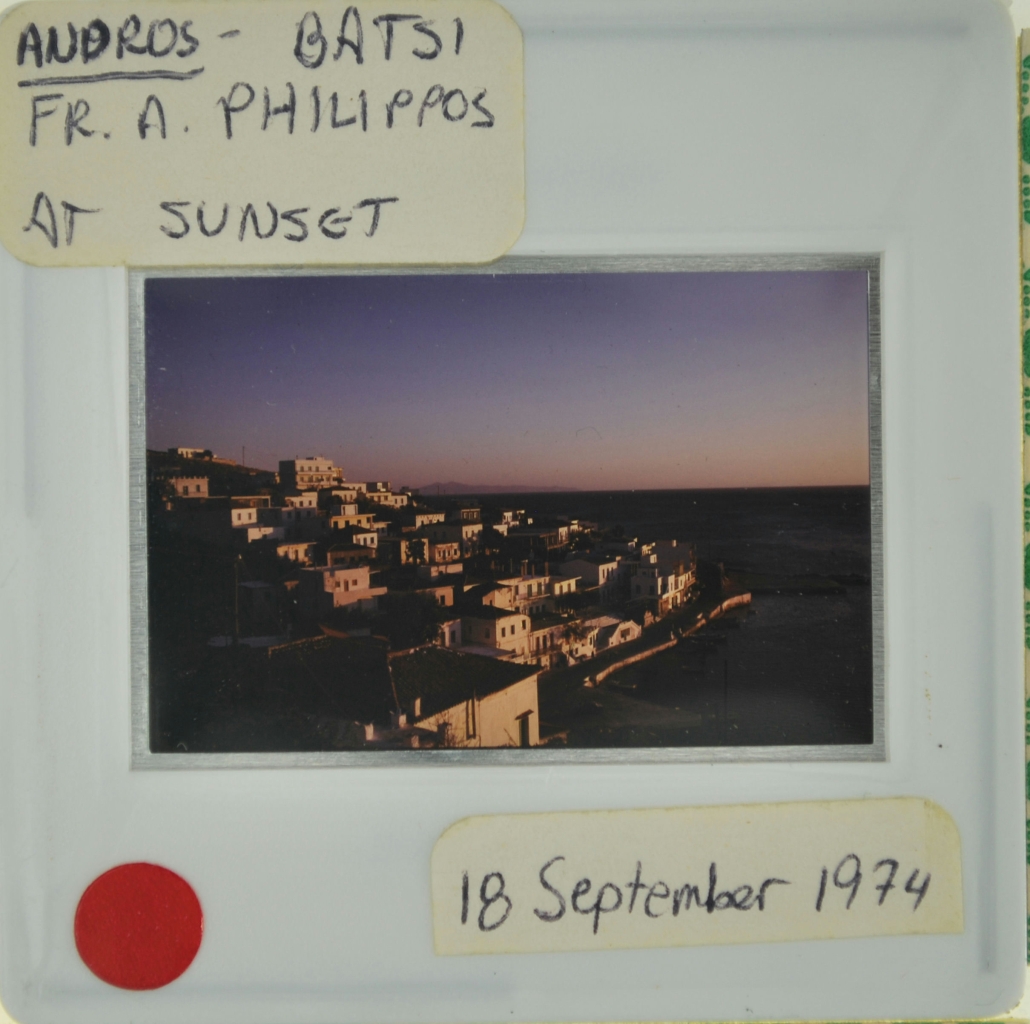
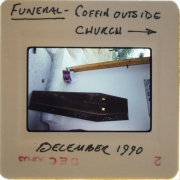
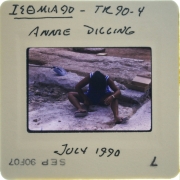
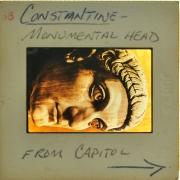
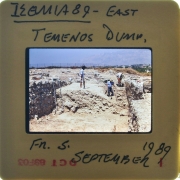
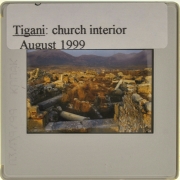
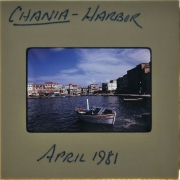
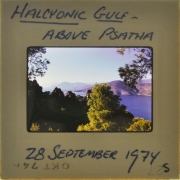
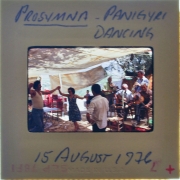
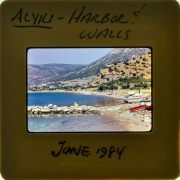
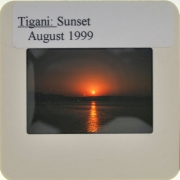
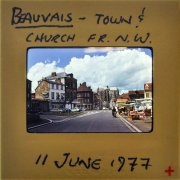
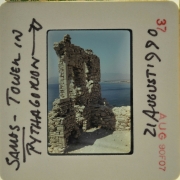
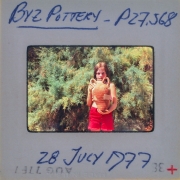
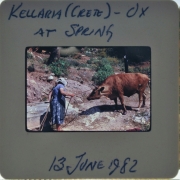
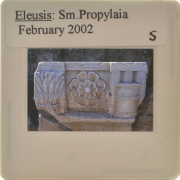
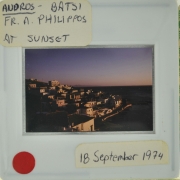
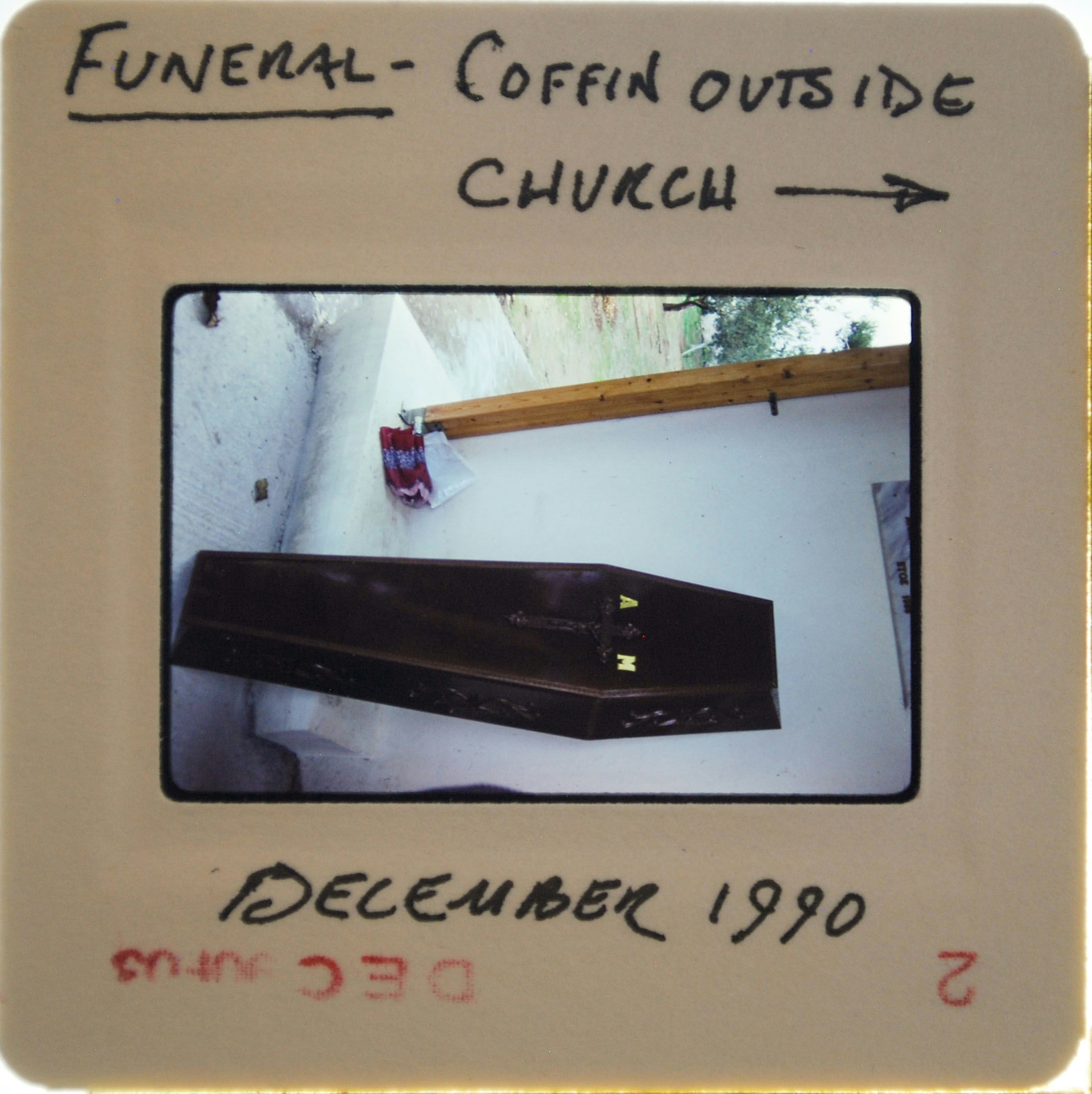
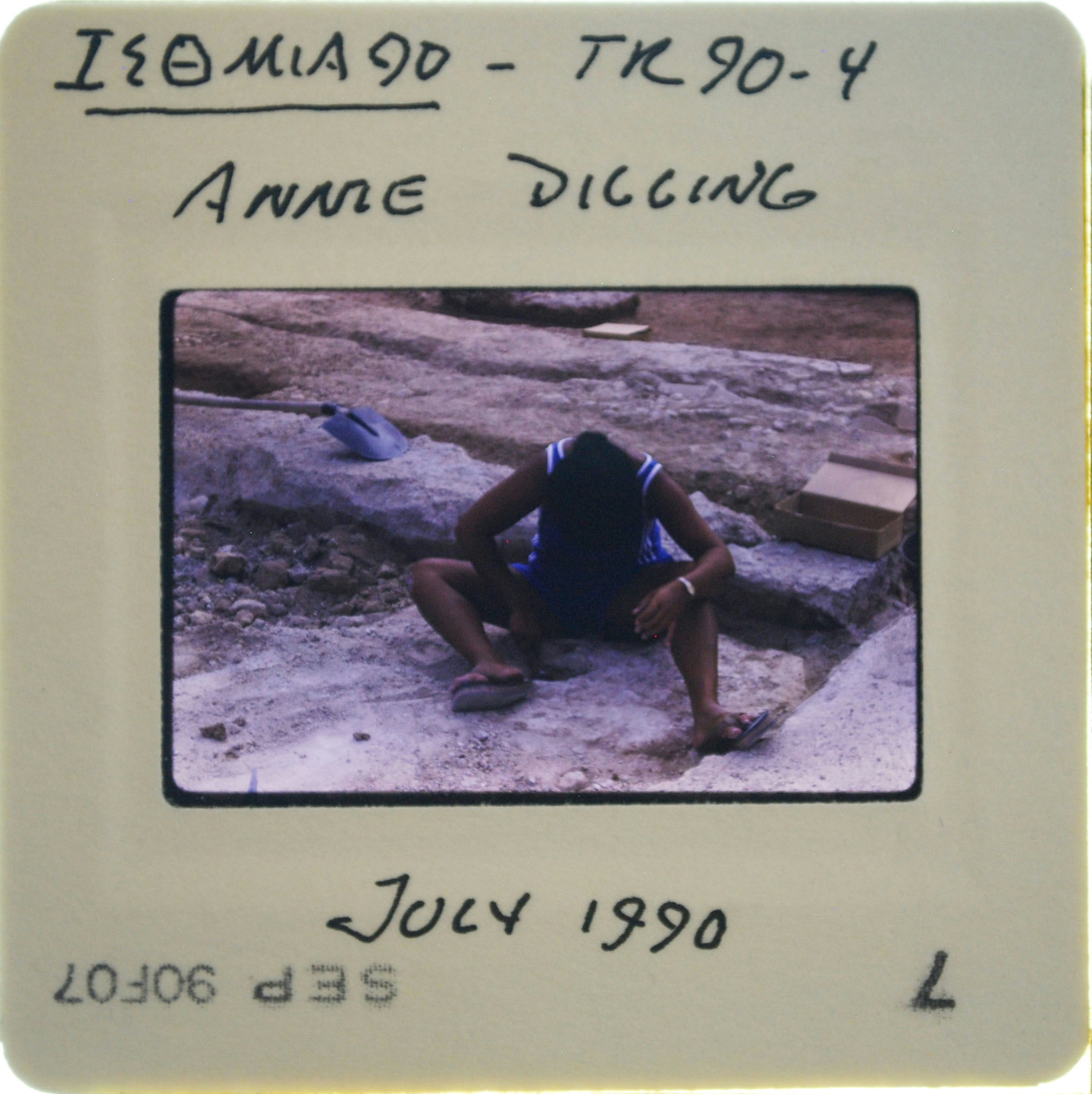
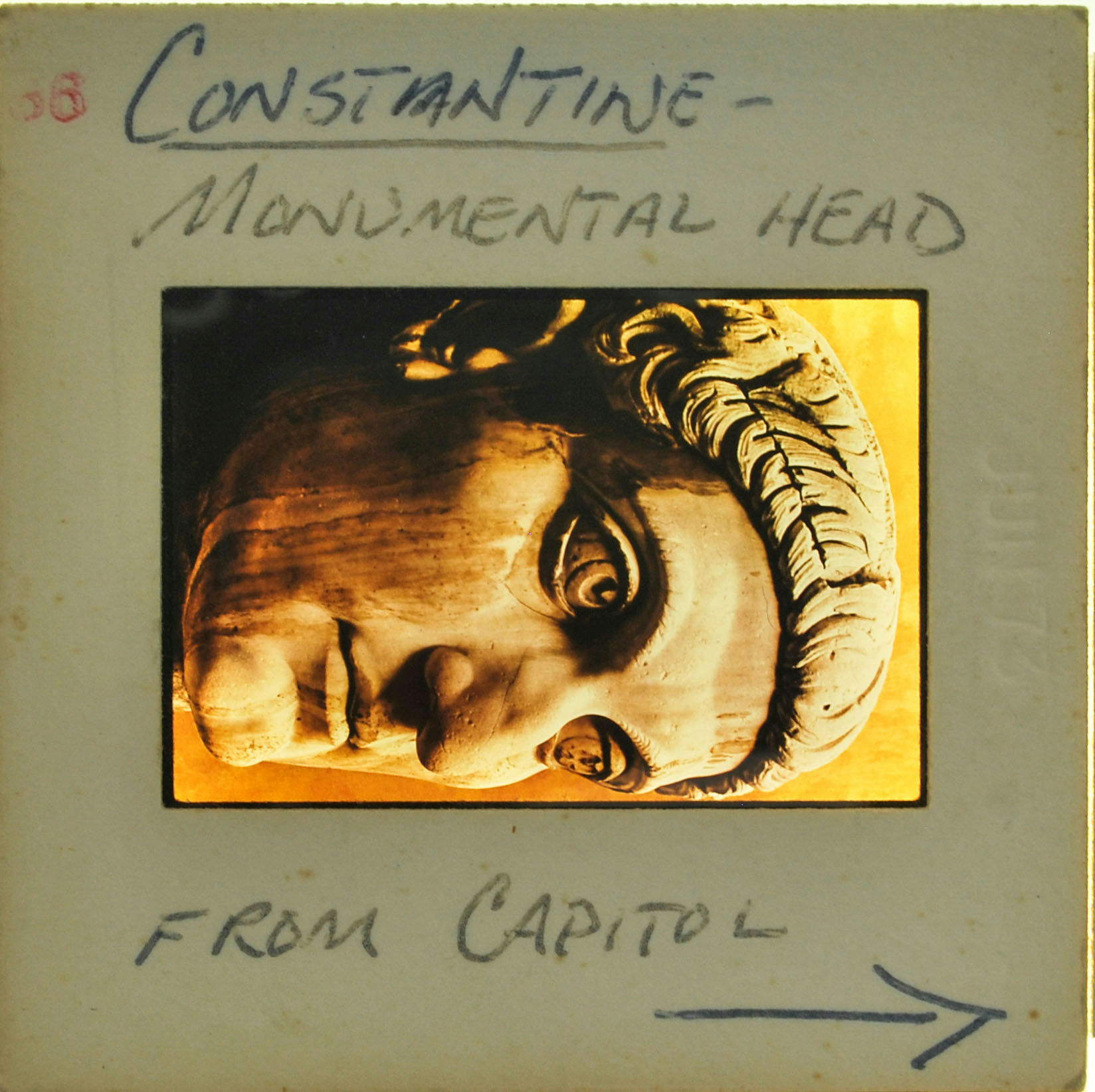
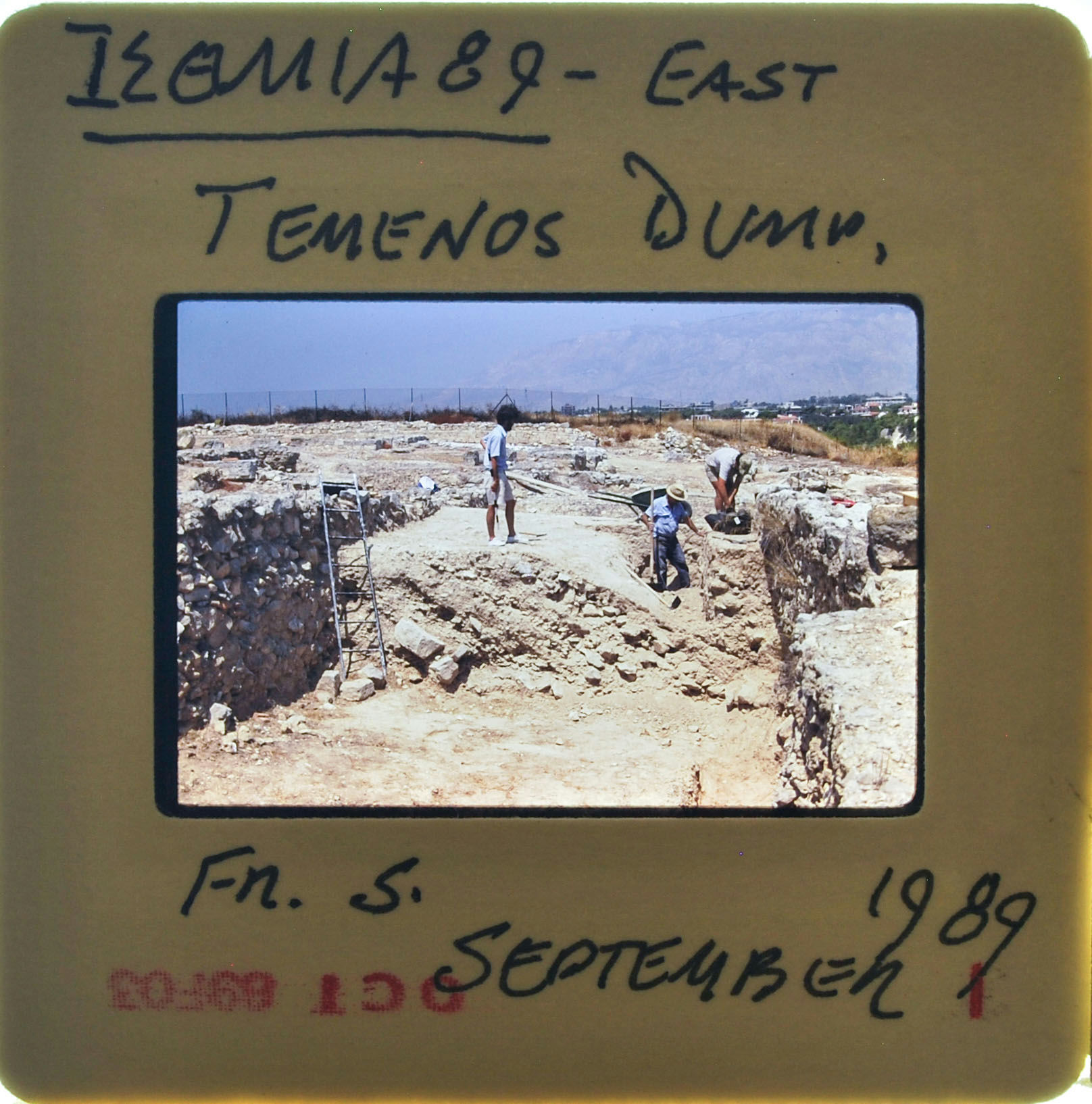
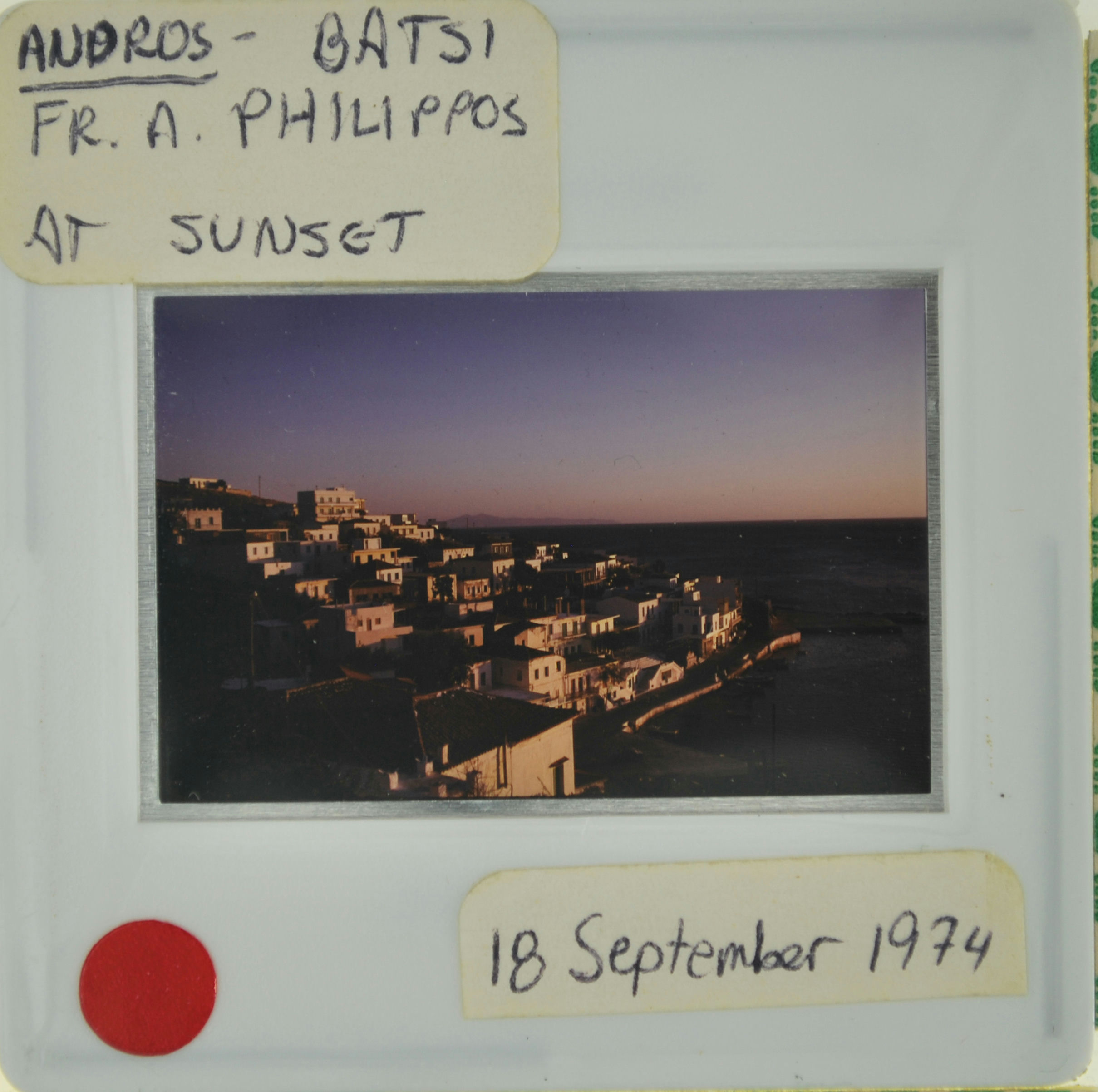
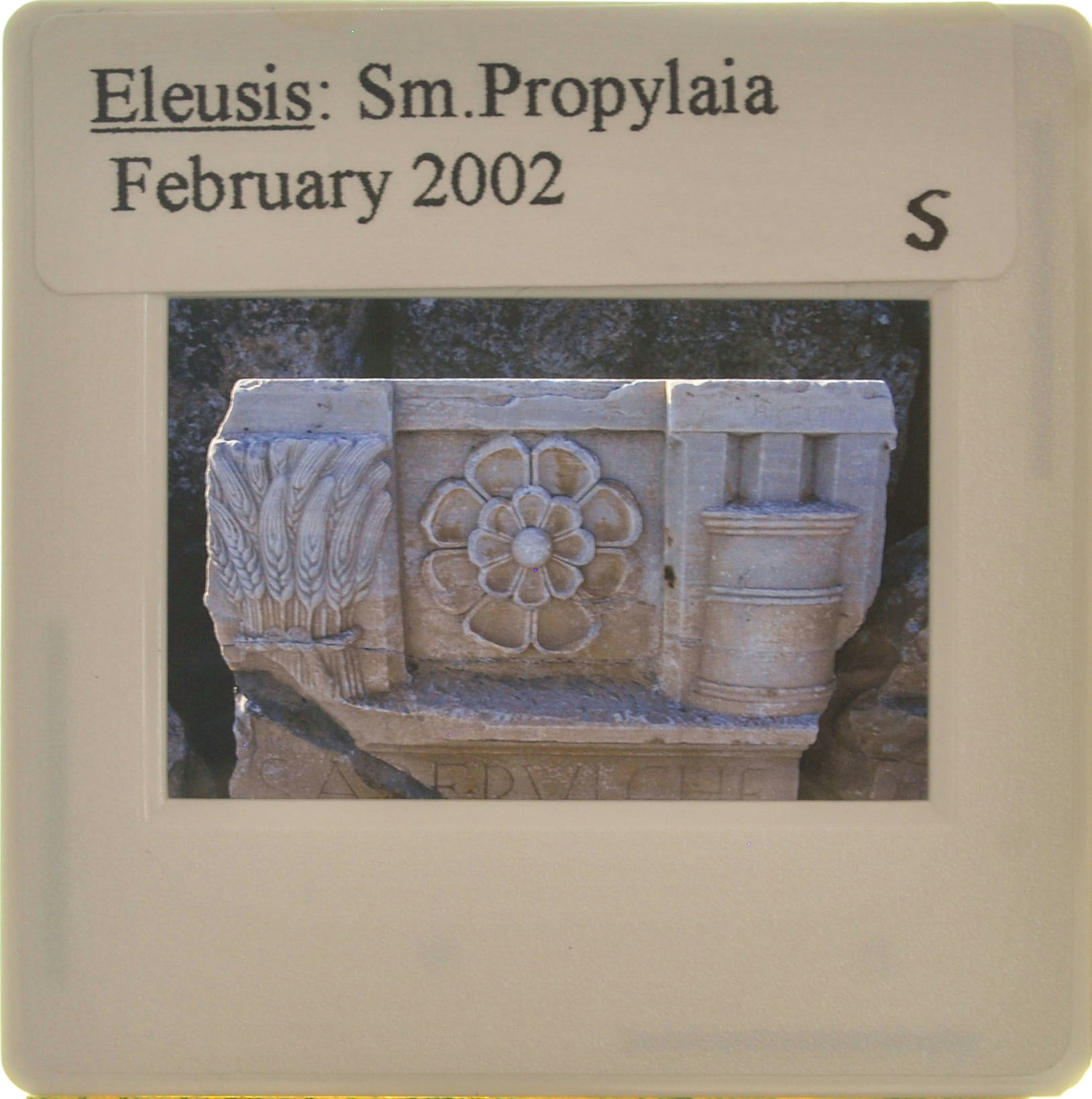
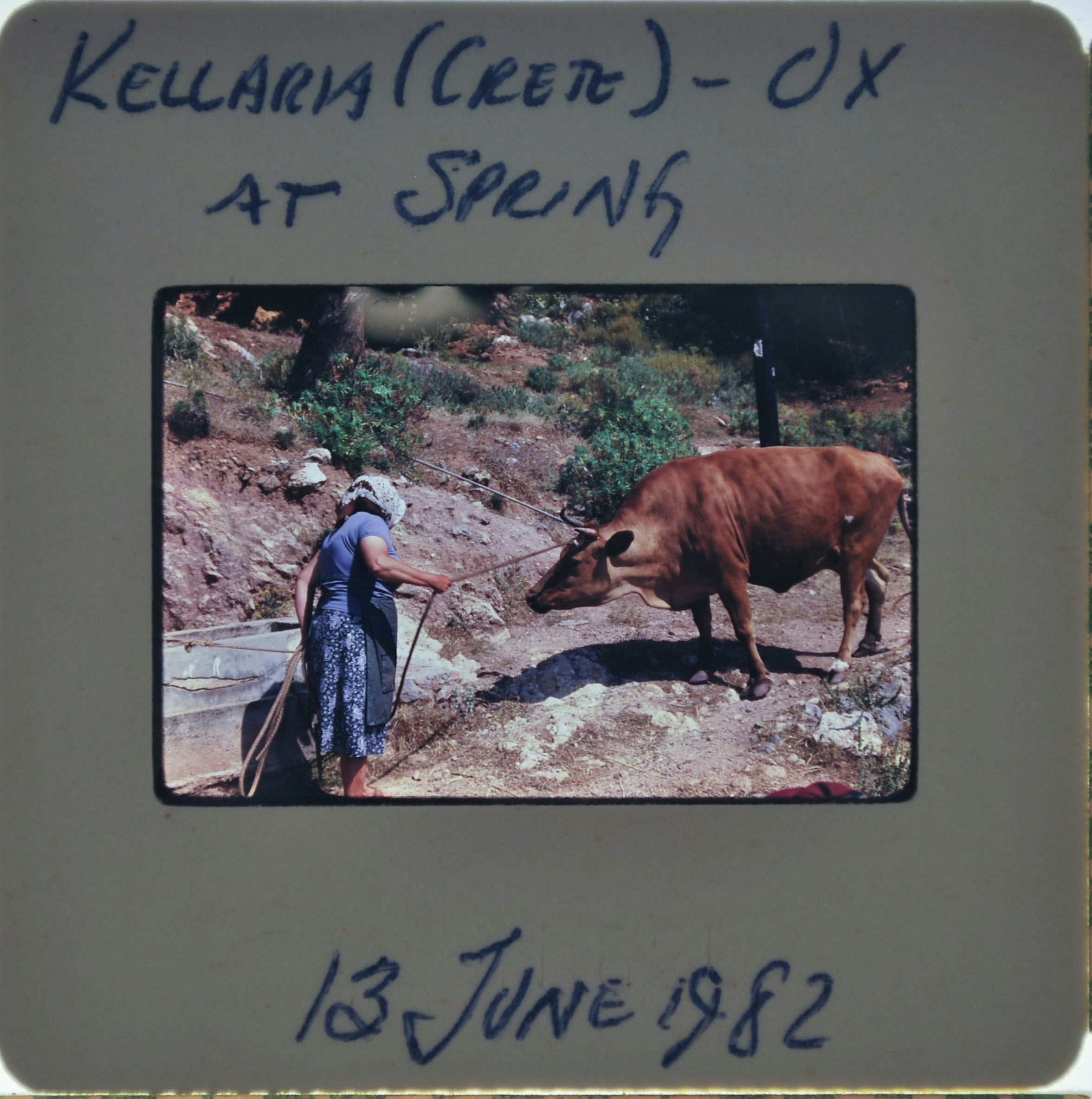
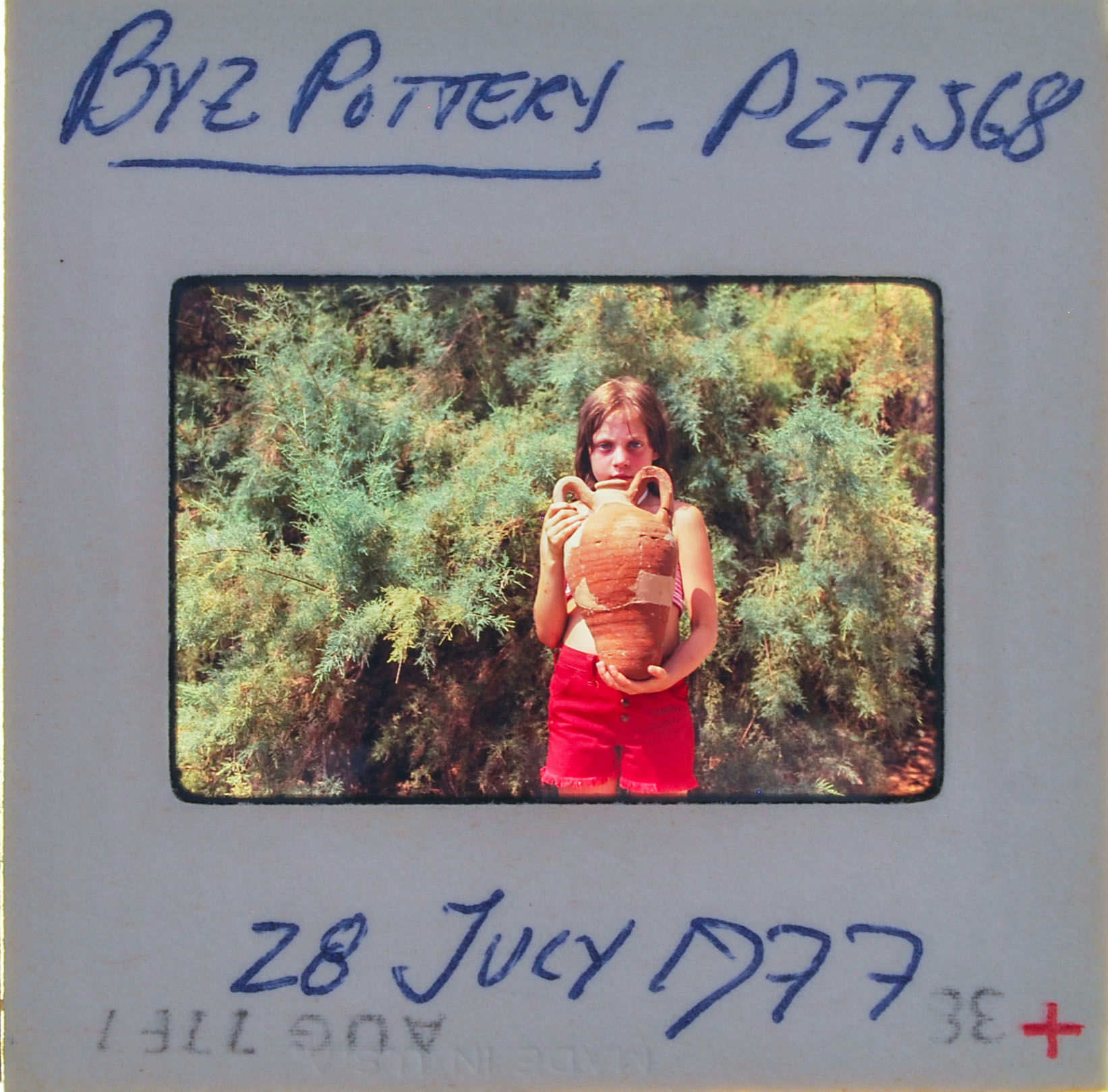
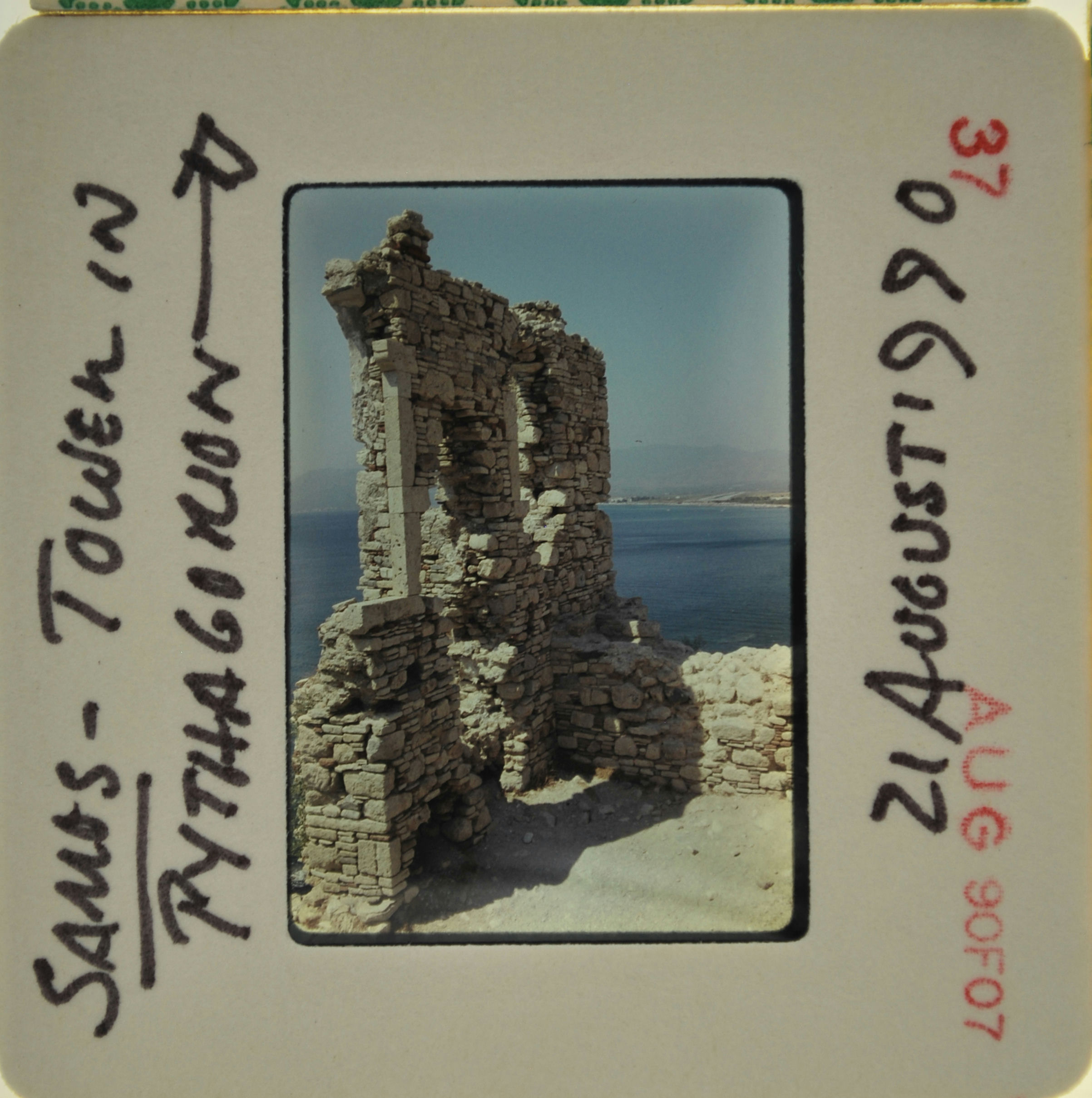
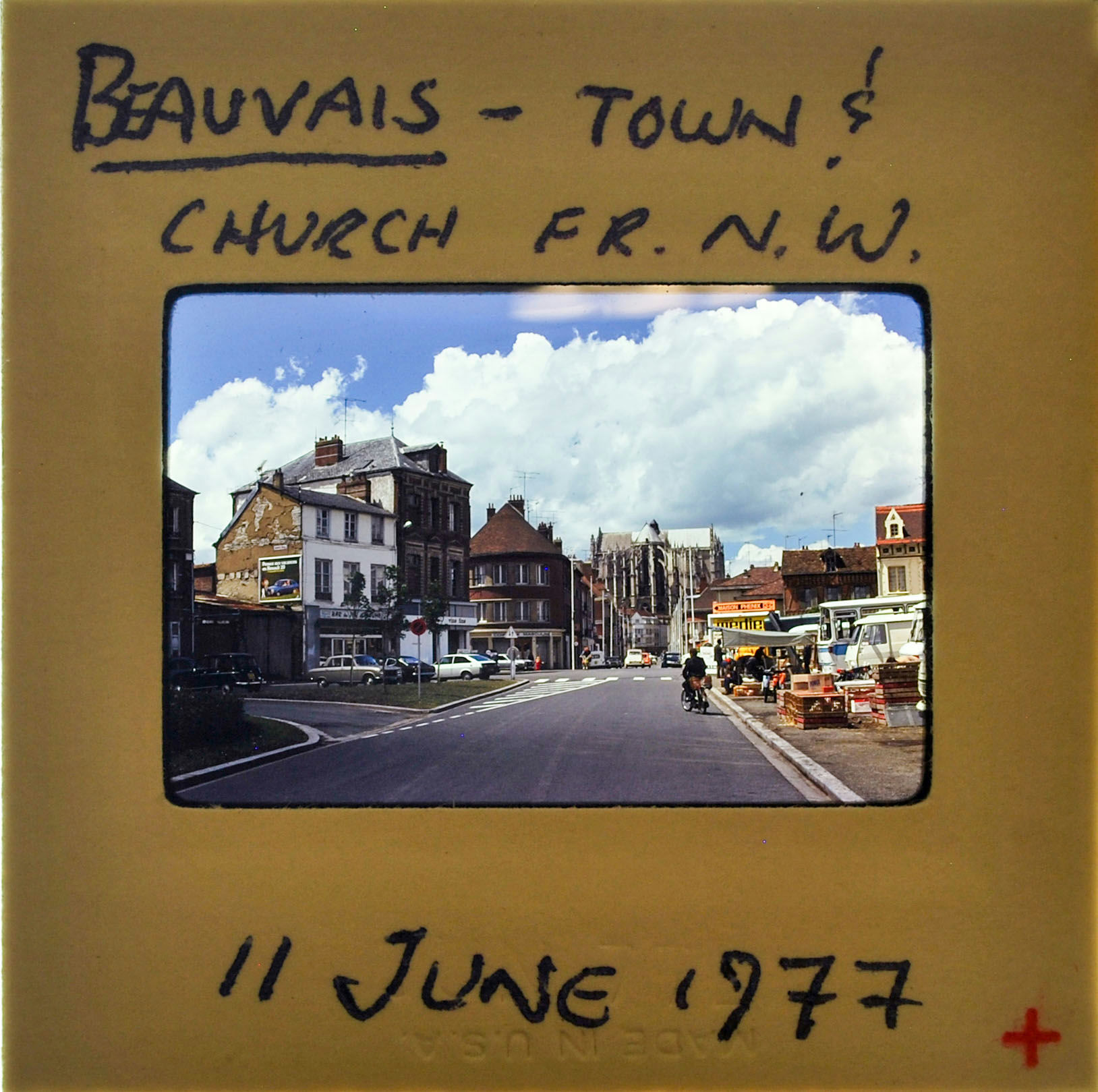
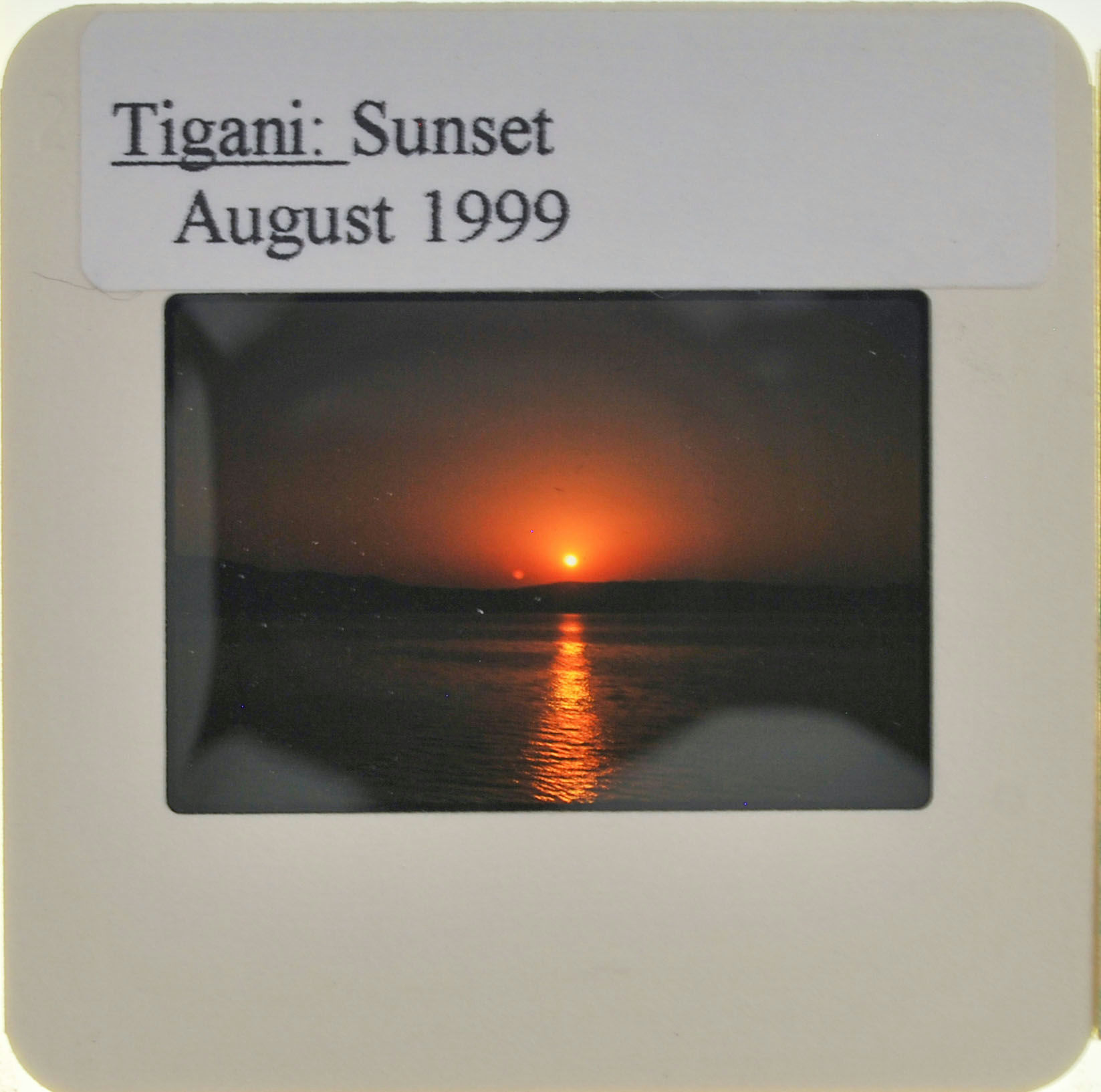
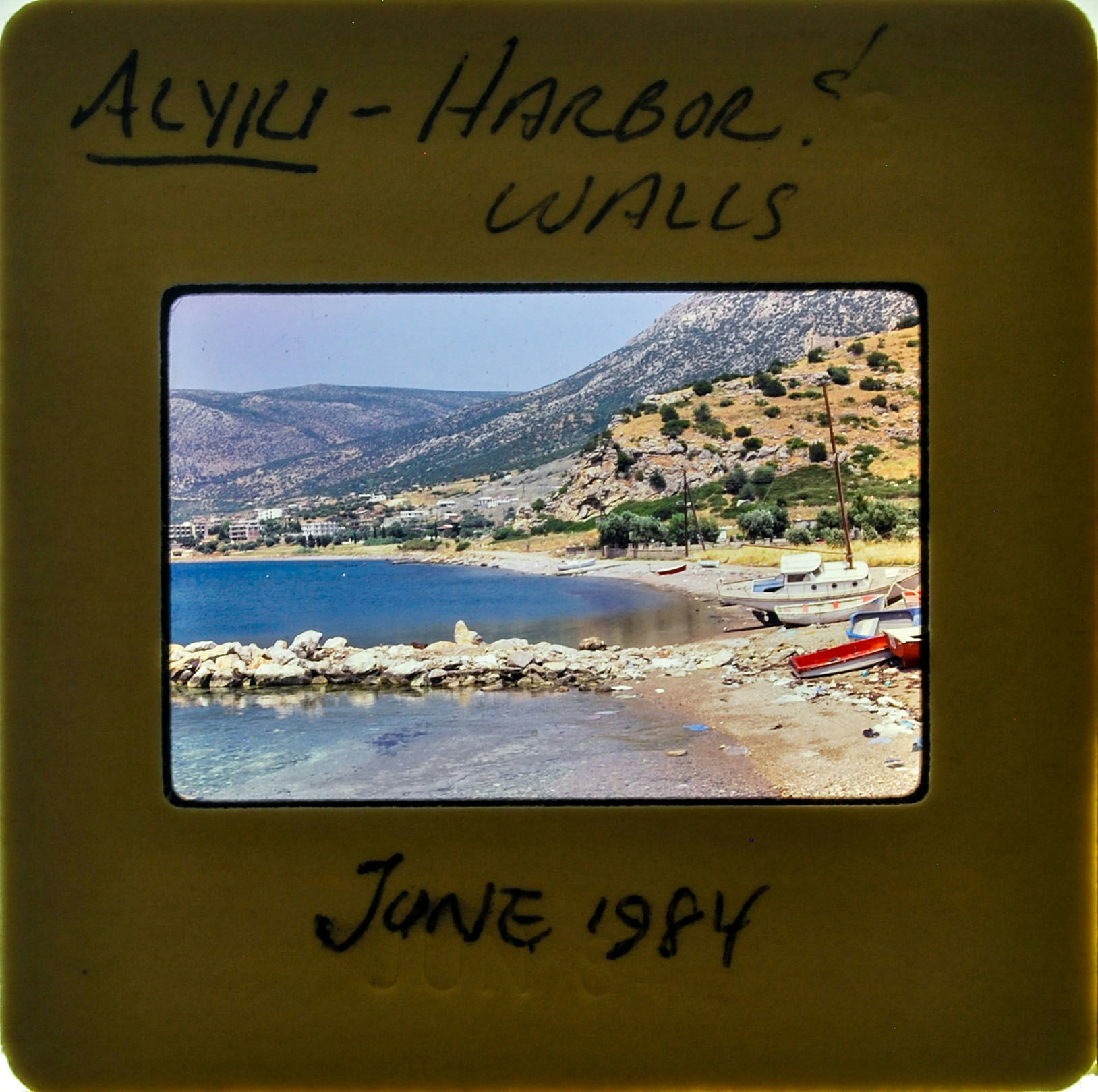
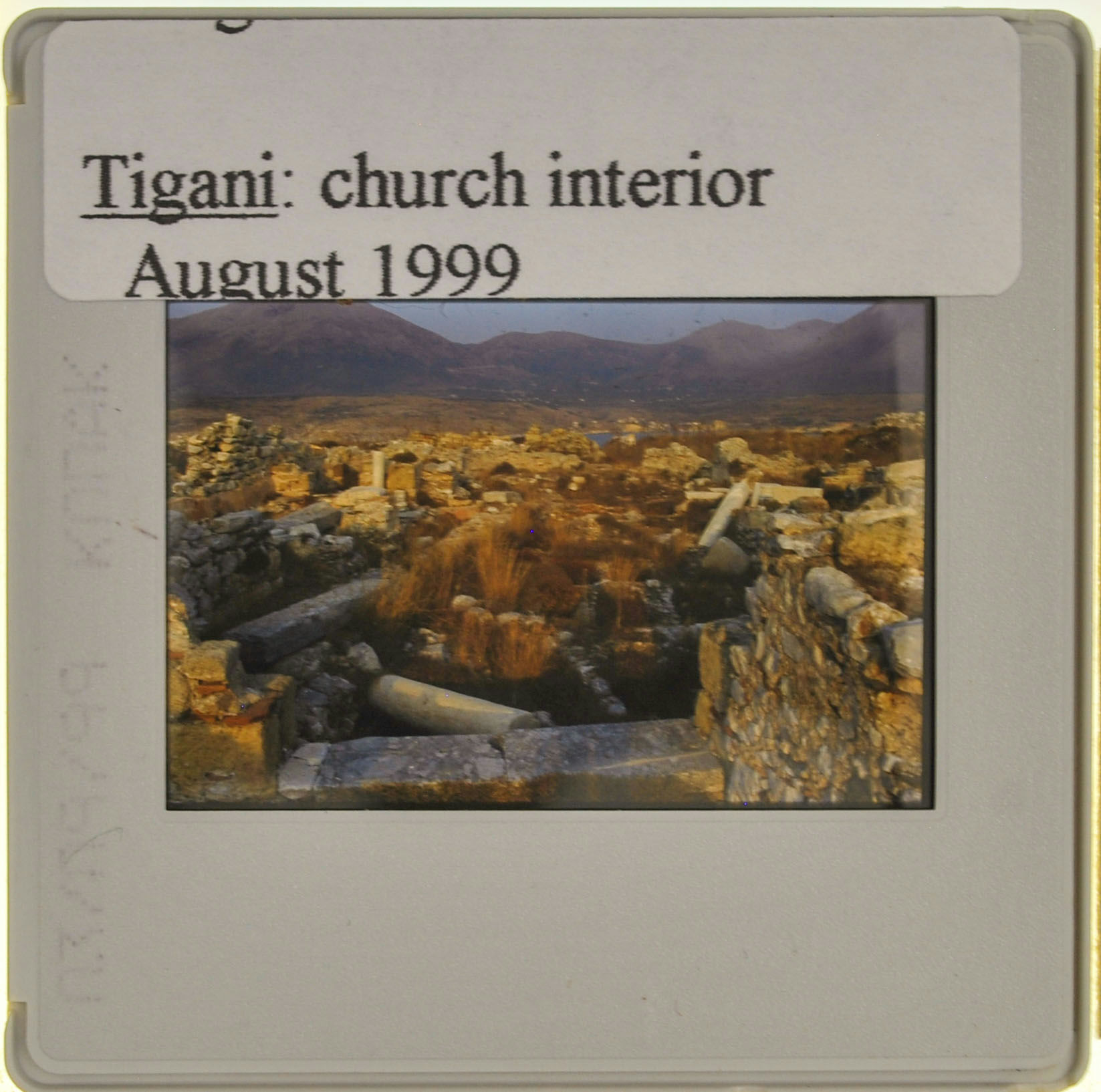
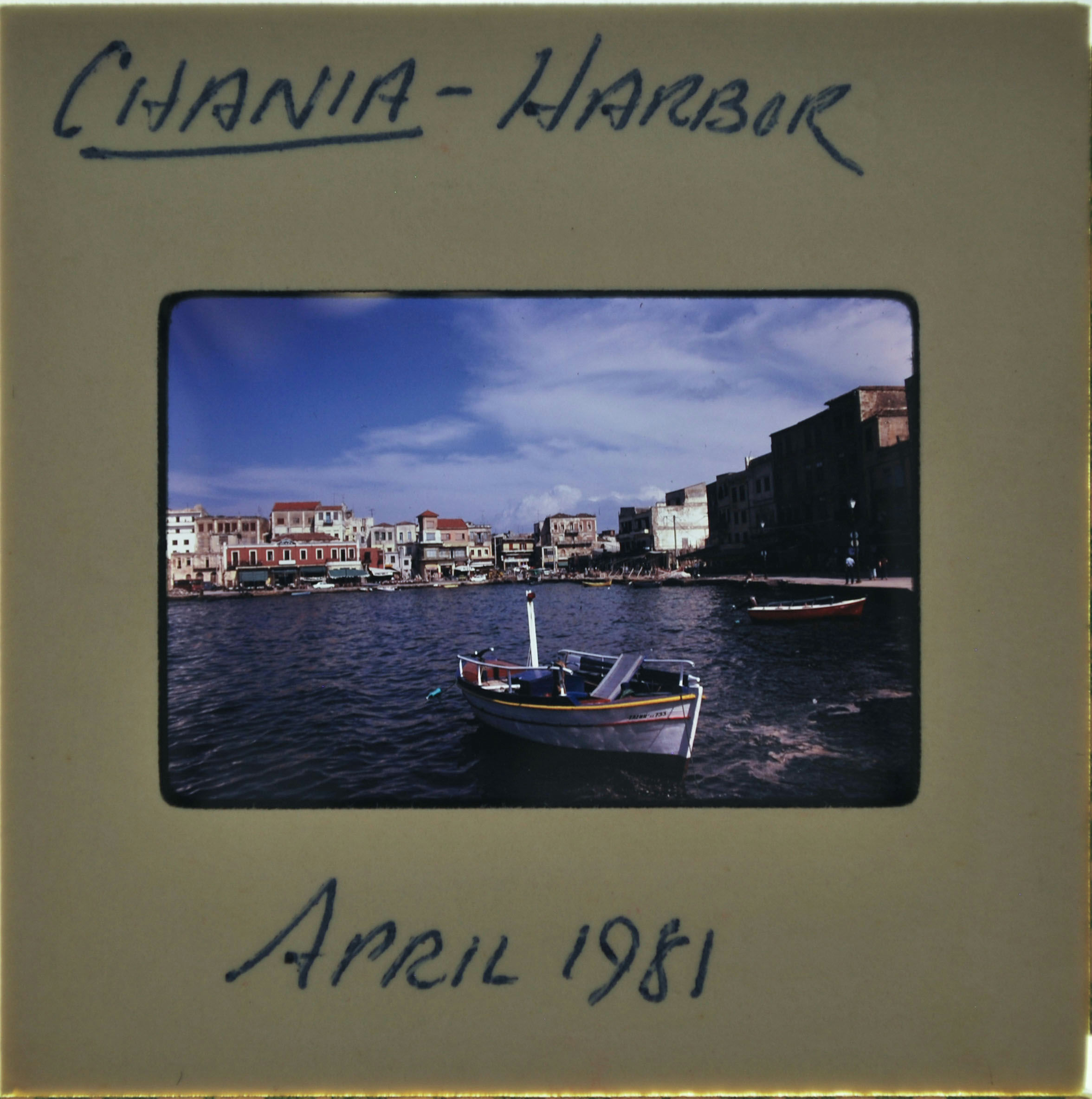
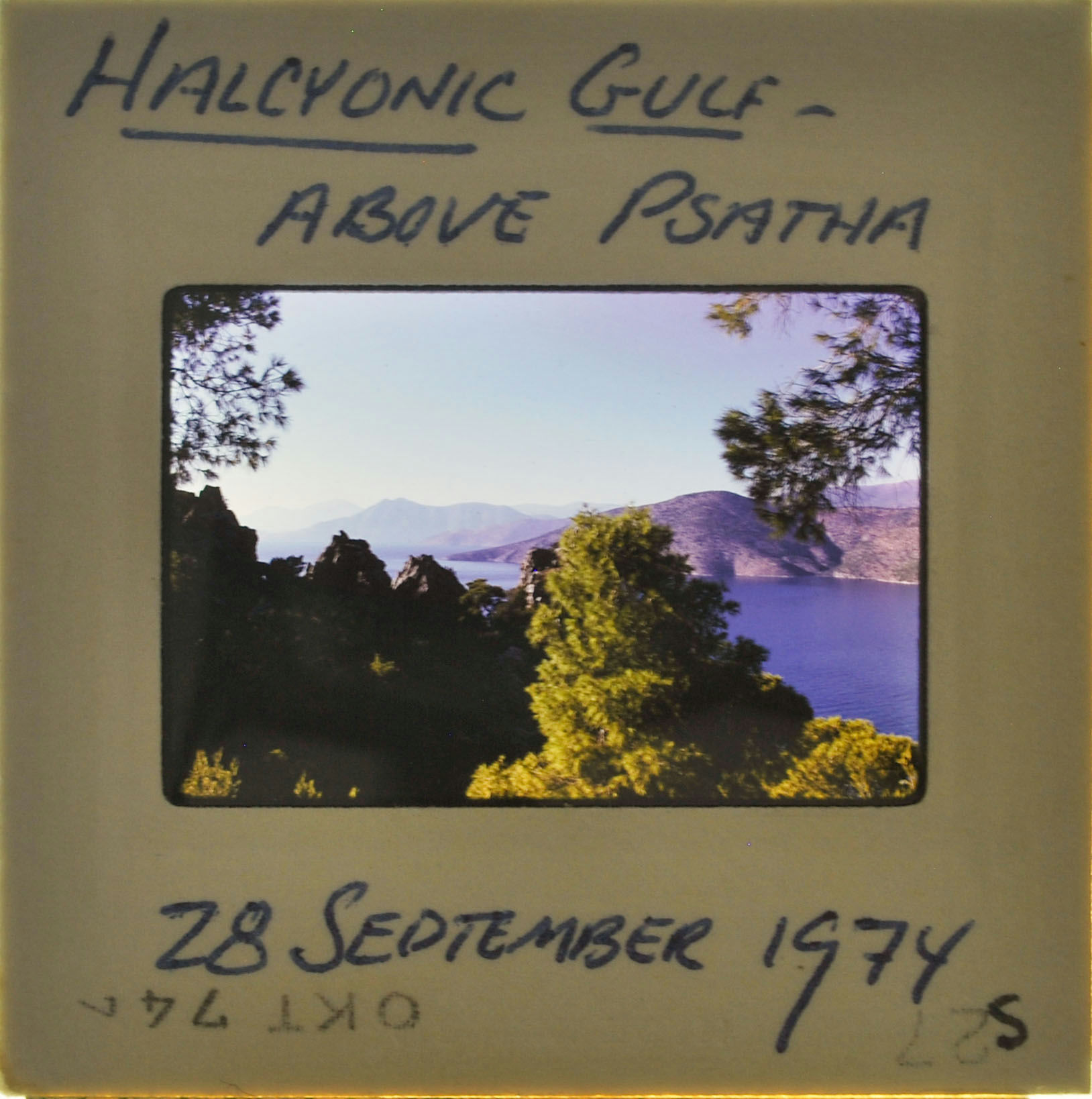
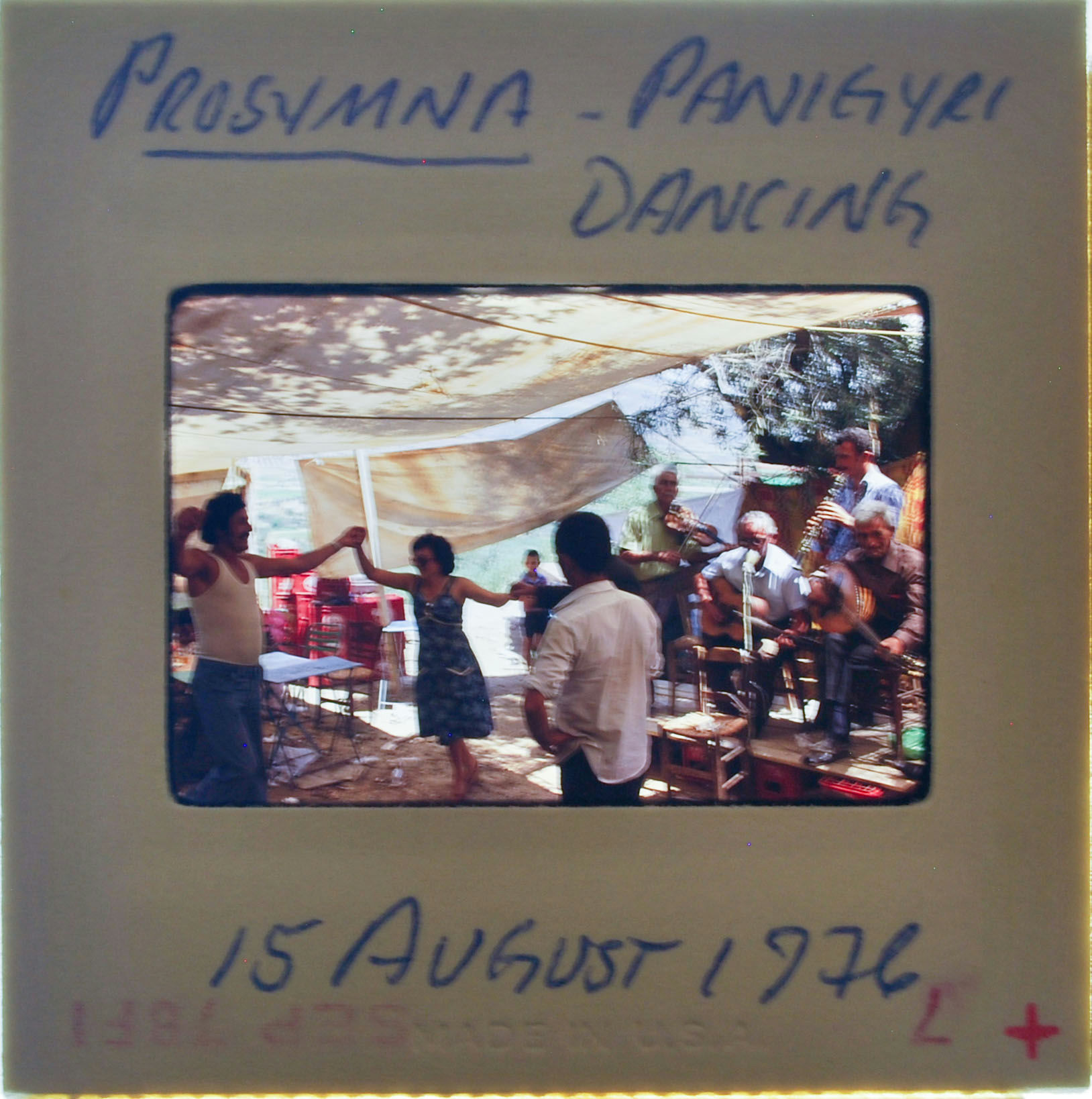
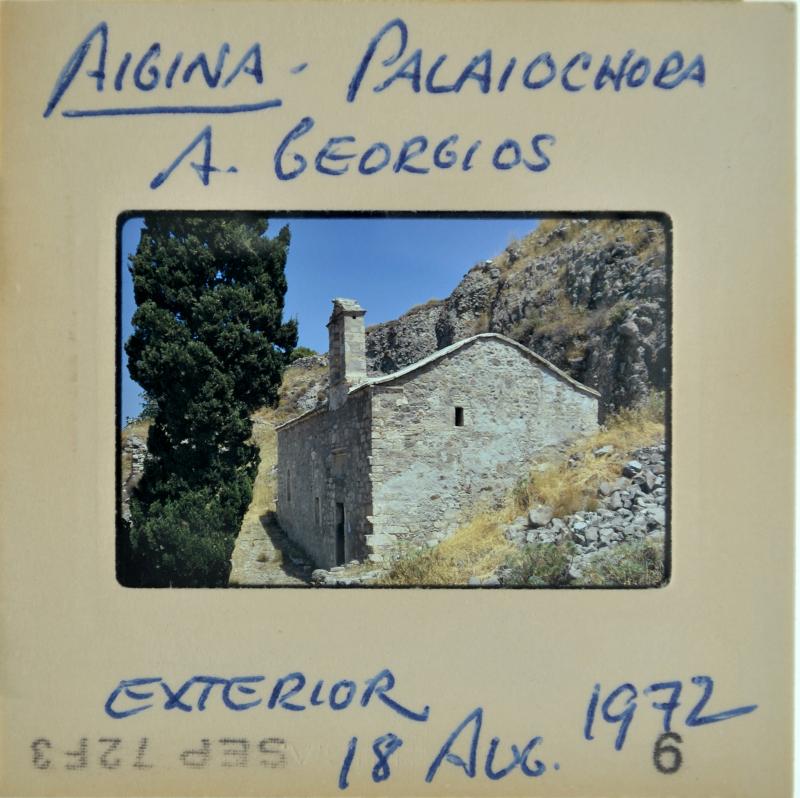
The first part of the archive to be digitized and shared with the public is a set of 35mm color slides. As these images will show, Dr. Gregory was a skilled photographer. From his early trips to Europe to his archaeological work and travels through the cities he lived in, he always carried a camera.
These photographs offer a glimpse into his unique view of the world. They may be helpful for students, researchers, or anyone who enjoys exploring history through images.
Please note:
These images were taken between 1960 and 2012 and reflect Dr. Gregory’s work, travels, and teaching over the years. If you are a rights holder and believe that any image includes your likeness in a way that violates your rights, please click the button below to read our Takedown Policy and learn how to request removal.
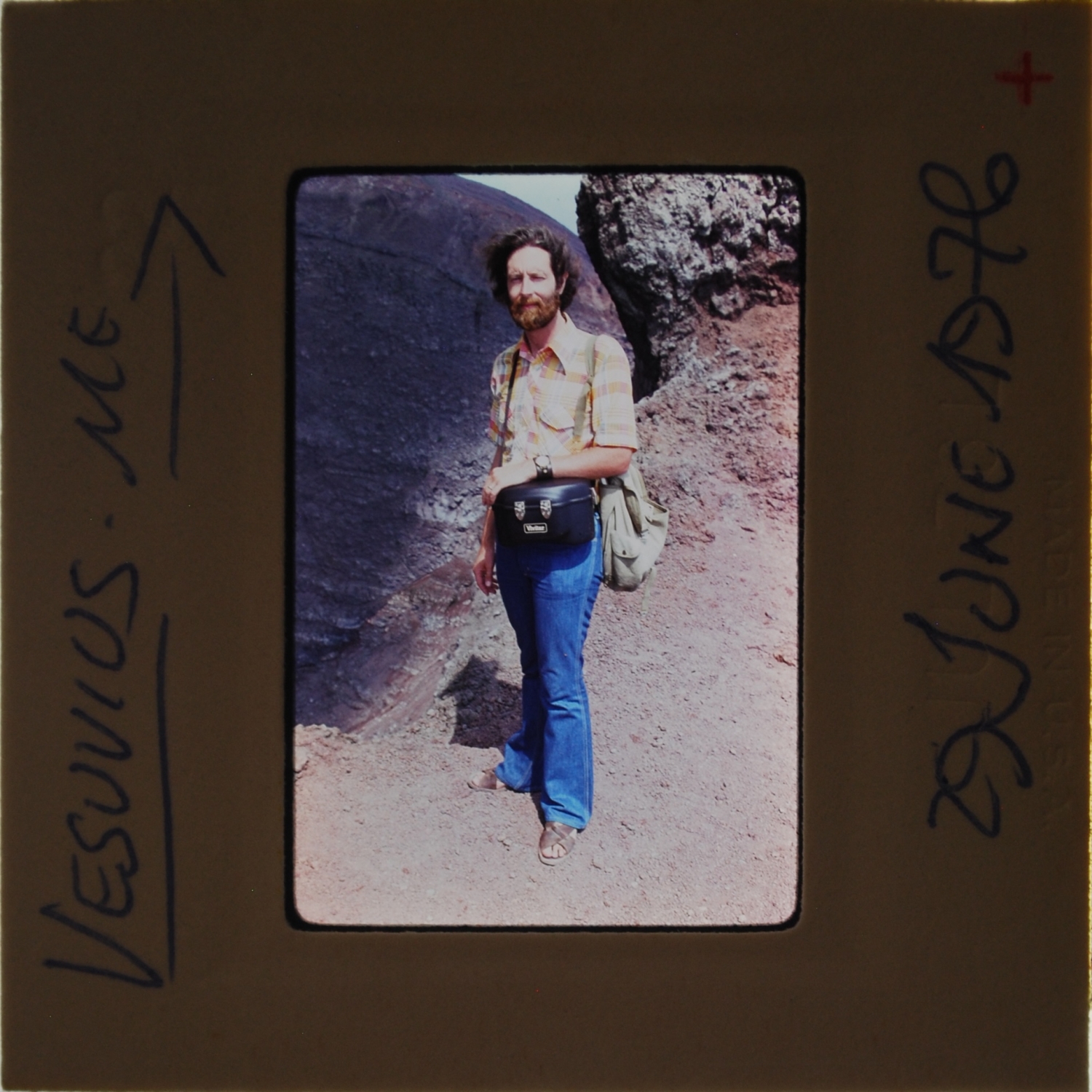
Timothy Gregory
The Gregory Archive is named after Timothy E Gregory, professor emeritus in the Department of History at Ohio State University. He is well known for his work in the history and archaeology of the Byzantine period, which is sometimes known as the “dark ages.”
Gregory led important excavations and survey projects in various parts of Greece and Cyprus, but was especially active at the site of Isthmia, where he served as director for over three decades. To learn more about the excavations, visit the official site of the MSU Excavations at Isthmia.
In addition to his work as director at Isthmia, Gregory also helped to develop the Chronotype system for analyzing ancient ceramics, started the Museum of Classical Archaeology at Ohio State University and famously organized public performances of Byzantine music and history, known as “Evening at Byzantium.” Gregory now lives in the village of Ancient Corinth in Greece.
Methodology
The Gregory Archive includes a large collection of audio and visual materials collected over nearly 60 years from many locations around the world.
This part of the archive focuses on a special group of nearly 30,000 color slides. Each slide is individually mounted and stored in metal file boxes using a system created by Dr. Timothy Gregory. Most boxes are labeled by location—for example, Venice, Monemvasia, or Saqqara—but some are organized by topic, such as Coins, Byzantine Pottery, or Ikons, or by his academic work, like Isthmia 96, APKAS, or Study Tour 1985. To view the slides as Gregory sorted them, choose the menu item “The Collection,” then select “Browse Item Sets.” To see the entire collection choose “Browse All.”
How the Slides are Digitized
To digitize the slides, we used a Nikon D60 camera with a zoom lens (set to 32mm), mounted on a copy stand. A bright LED light panel with a white plastic diffuser sits underneath the slides to light them evenly from behind. This setup also helps show the handwritten notes on the paper or plastic mounts. Each slide is individually positioned and photographed by a team of student archivists.
Once a box of slides is photographed, the images are cropped and automatically adjusted for color and lighting.
Other undergraduate student interns then transcribe the notes written on each slide into a spreadsheet. Spelling mistakes are corrected to make it easier to search the collection. The final data is connected to the images when we upload everything to our online archive.
We also save backups of the images—both the original and the edited versions—on cloud storage at Michigan State University, as well as on other secure storage devices.
Each member of the student internship team (Leli Brown, Morgan Manuszak, Kailey Reed, Kelly Sullivan, and Rebecca Sun) is credited in the metadata of each of the specific images on which they worked.